gopi, Author at Immikare - Page 3 of 4

Visa Wait Times in 2023: Tips for Quicker US Visa Approval

Navigating the complex world of US visa wait times can be a challenging yet rewarding endeavor. With a keen understanding of the intricacies involved in the visa application process and a strategic approach, you can optimize your experience and secure a US visa with minimal delays. This comprehensive guide will equip you with the knowledge and tools to navigate visa wait times in 2023, providing insights into various visa categories, regional breakdowns, and expert advice from the consular team.

Key Takeaways

  • Navigate current US visa appointment wait times by referring to the State Department website.
  • Utilize online applications and services, consider an immigration lawyer, or apply for a Visa Interview Waiver Program to reduce your wait time.
  • Understand administrative processing requirements and prepare thoroughly for interviews with consular officers in order to increase chances of success.

Navigating Current US Visa Appointment Wait Times

Visa applicants waiting in line at the embassy

In recent times, visa appointment wait times have been a concern for many visa applicants. For instance, in India, the wait time for non-immigrant visa categories, excluding first-time visitor visa applicants, is close to pre-pandemic levels or even less. However, travelers who do not necessitate an interview, such as interview required visitors, experience exceedingly low wait times. The wait time for B1/B2 non-immigrant visitor visa appointments in various cities in India ranges between 506 days and 596 days, which is a significant wait time compared to visa applicants worldwide.

To stay updated with the latest US visa appointment wait times for India, you can refer to the US State Department visa wait times website, which is a part of the consular affairs website. The wait time for H-1B visas, F1 visas, and other non-immigrant workers can range between two days and ninety days. Measures have been taken to reduce the visa application backlog and respond to increasing demand. This has included permitting Indian applicants to submit their U.S. visa applications at U.S. consulates located outside of India, like the one in Bangkok. The wait times at these consulates tend to be significantly shorter than those inside India.

Understanding Visa Categories

The two main types of US visas are immigrant visas and nonimmigrant visas, which include petition-based temporary workers. The wait time for a nonimmigrant visa interview appointment depends on various factors such as workload, staffing, and factors like a busy weekend. The current wait times for US immigrant visas, including based temporary workers H, can vary depending on the specific visa category and individual circumstances.

You should become familiar with the estimated wait time for a nonimmigrant visa interview appointment as shown on the U.S. Department of State’s website and the U.S. Embassy or Consulate websites. These platforms provide information on various visa types, including transit C, D, and transit C D C1 visas. The US visa appointment wait time data is updated on a weekly basis, based on actual incoming data, including crew and transit C visa applications.

Checking The Latest Data

Monitoring the most recent data on visa wait times aids in effectively planning your visa application process. The US embassy offers insights on visa appointment wait times, and the estimated wait time to acquire an interview appointment at a U.S. Embassy or Consulate can fluctuate weekly based on actual incoming applications. By keeping track of the visa wait time, you can better prepare for your application. The US Department of State reports visa appointment wait times on their official website, including wait times for:

  • H visas
  • L visas
  • O visas
  • P visas

Bear in mind that the wait time for a visa appointment can vary based on the location and time of year. To get the most accurate and up-to-date information, make sure to check the last week’s data on the US Department of State’s website or the respective U.S. Embassy or Consulate website for your country.

Streamlining Your Visa Process

Streamlining your visa application process can significantly improve your chances of success. The documents necessary for a US visa application may vary depending on the type of visa being applied for, such as exchange visitors F visas. Utilizing an online application for a US visa can expedite the process for various visa types, including interview waiver visitors.

To sidestep common hurdles in the US visa application process, like errors in form completion, incorrect or incomplete information, missed deadlines, incorrect visa application, and lack of detail, you should be attentive and meticulous. The US Department of State’s Visa Wizard tool facilitates the streamlining of the visa process for various visa types, including temporary workers h l, as well as the h l o p category.

Strategies To Reduce Your Wait

Implementing strategies to reduce the US visa appointment wait time can make a significant difference in your overall experience. Some strategies to consider include:

  • Scheduling exclusive interviews for first-time applicants, including visitors F, M, and J visas, to help expedite the process.
  • Although rescheduling a US visa interview is possible if you have missed your previously scheduled appointment, it does not necessarily shorten the wait time for a visa interview.
  • The wait time for visa appointments can vary and is dependent on actual incoming applications.

Another way to expedite the US visa process is by hiring an immigration lawyer, even for interview required crew visas. There are also online platforms and services available that can facilitate the US visa appointment process, including for transit C, D, and C1 visas.

Preparing For The Interview Waiver Program

The Interview Waiver Program permits qualified applicants, such as interview waiver visitors, to submit their passport and the necessary documents to a U.S. embassy or consulate without an interview. To be eligible for the Interview Waiver Program, applicants must possess nationality or residency in the country in which they are submitting their application, including crew and transit C visa applicants.

To apply for the US Visa Interview Waiver Program, you must fulfill certain requirements, such as for exchange visitors F visas. You can find further information and assess your eligibility on the official website of the U.S. Department of State.

The advantages of the US Visa Interview Waiver Program include decreased visa appointment waiting times and more efficient visa processing.

Regional Breakdown Of US Embassy And Consulate Wait Times

Regional breakdown of US Embassy and Consulate wait times

A regional analysis of US Embassy and Consulate wait times for nonimmigrant visa interview appointments and expedited appointments is key to comprehend the wait times in various countries. For instance, applicants are expected to experience a longer-than-normal wait time for nonimmigrant visa interview appointments at the US Embassy in Mexico, including temporary worker’s H and L visas. There are also disparities in wait times between US Embassies and Consulates in Europe.

In Asia, the wait time for nonimmigrant visa interview appointments varies according to the country. It is advisable to consult the official website of the U.S. Embassy or Consulate in the respective country for the most current information.

Nonimmigrant Visa Interview Appointment
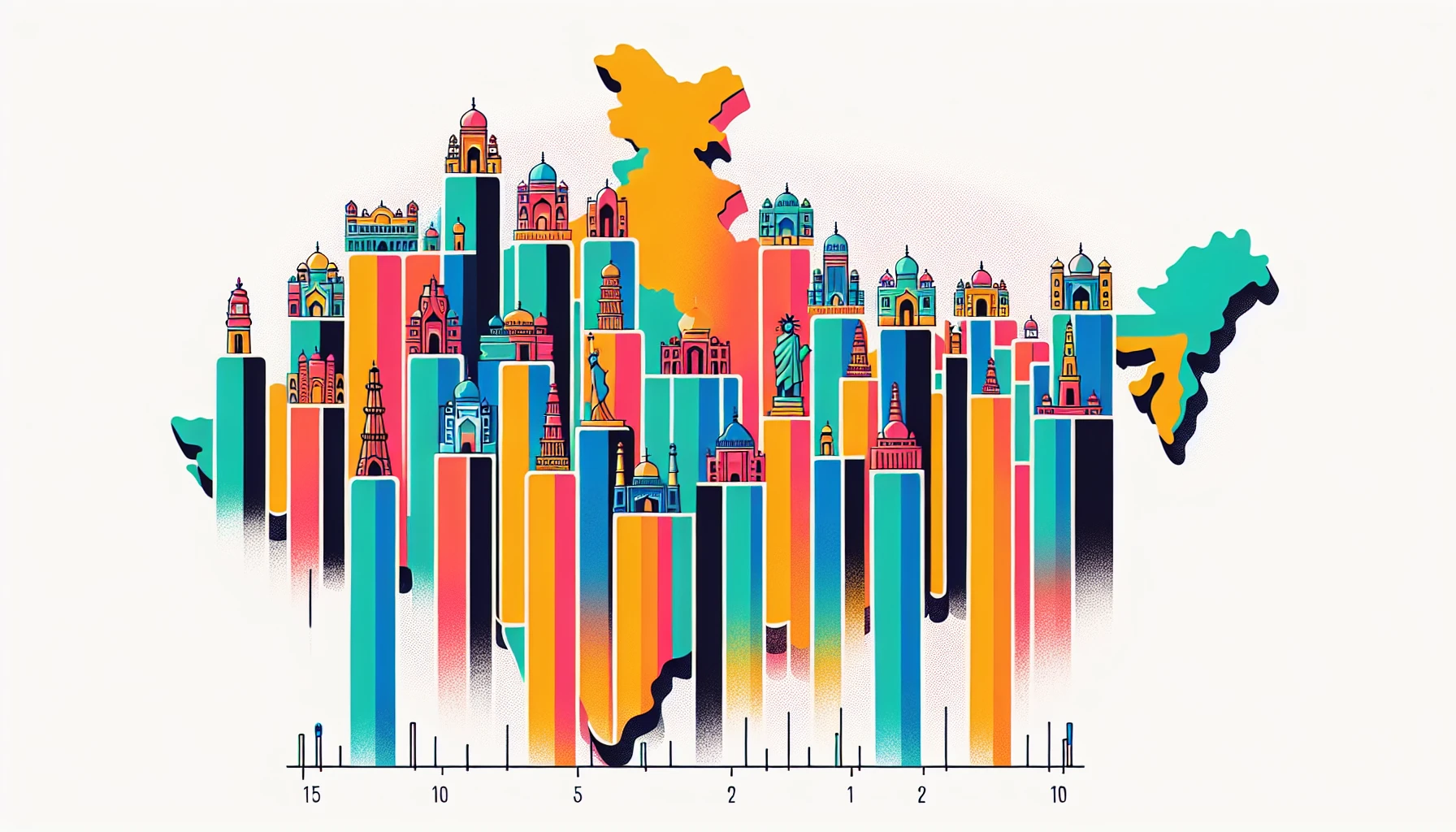
Average wait times for nonimmigrant visa interview appointments in India

The current average wait times for Nonimmigrant Visa interview appointments in different regions of India can vary, but in some cities, the wait time is approximately two years. Nevertheless, it is feasible to acquire a US visa appointment in a span of one week by applying from another country. The global median wait time for a tourist visa (B1/B2) interview appointment is less than two months.

Factors influencing the wait time for a Nonimmigrant Visa interview appointment in India encompass:

  • Current visa demand
  • Availability of appointment slots at the U.S. Embassy or Consulate
  • Any staffing increases or efforts to shorten wait times by the U.S. Mission to India

Regularly checking the ‘Wait Times for a Nonimmigrant Visa to be Processed’ statistics on the US Embassy website is key, as these figures alter weekly based on actual incoming applications.

U.S. to reduce Visa delays takes steps to increase staff strength and opens new consulates in India.

Expedited Appointments For Urgent Travel

Expedited appointments for urgent travel are available in case of an unanticipated funeral, medical emergency, or school start date. Before petitioning for an expedited nonimmigrant visa interview appointment, there are a few steps you must take. First, submit the online visa application form (DS-160). Then, pay the application fee. Finally, schedule the first available interview appointment..

Under normal conditions, the average wait time for expedited nonimmigrant visa interview appointments in the US is approximately two to three weeks. To substantiate the requirement for an expedited nonimmigrant visa interview appointment, you may need to furnish documents that demonstrate an immediate need for expedited processing, such as evidence of medical emergencies, urgent business travel, or humanitarian reasons.

Administrative Processing: What to Expect

Administrative processing is a customary procedure conducted by the US Department of State to guarantee the security and integrity of the visa process. Some refused visa applications may necessitate administrative processing, and its duration is contingent upon individual circumstances. The consular officer will either grant or deny the visa.

Administrative processing may involve the consular officer requesting additional documents or information, conducting background checks, or obtaining clearance from other government agencies. The duration of administrative processing can vary depending on the individual case and the complexity of the matters involved. It should be noted that administrative processing does not necessarily indicate a visa denial, but it may result in a delay in the visa issuance.

It is advised that visa applicants submit their applications in a timely manner, prior to their planned date of travel.

Insights From The Consular Team

Consular officers advise that applicants be well-prepared, arrive early, dress appropriately, be honest and consistent, be concise and clear, and explain their intentions clearly during the interview in order to have a successful US visa application. To avert typical errors in the US visa application process, such as:

  • Form completion mistakes
  • Missing or incomplete documents and information
  • Lack of preparation for the visa interview
  • Inappropriate dress
  • Furnishing incomplete or inaccurate information
  • Appearing uneasy or lacking confidence
  • Tardiness
  • Negative attitude
  • Failure to showcase strong ties to one’s home country

Being careful and detailed is key.

During the US visa interview, consular officers typically inquire about the following:

  • The rationale for your journey to the US
  • Your past travel experiences
  • Your connections to your homeland
  • Your intentions while in the US

Being well-prepared, truthful, confident, and explaining your intentions clearly can help make a favorable impression on a consular officer.

Summary

In conclusion, understanding US visa wait times, various visa categories, and regional breakdowns is essential for a successful visa application. By streamlining your visa process, implementing strategies to reduce your wait time, and being well-prepared for the Interview Waiver Program, you can optimize your experience and secure a US visa with minimal delays. Remember to stay updated with the latest data on visa wait times, consult the consular team for insights, and stay vigilant throughout the process to ensure a smooth journey towards your US visa approval.

Frequently Asked Questions

How long are visas taking right now?

Visa processing times are currently estimated to take 3 to 5 weeks from the date of completing the application and embassy interview. After this period, applicants should receive a response on whether their visa has been approved or denied.

Why is US visa processing taking so long?

Processing times for US visa applications have increased due to the backlog of cases accumulated during COVID-19 restrictions and a growing demand. This has resulted in extended wait times for U.S. visa interview appointments in some locations, with an astonishing 247 days on average wait time for tourist or business travel visas compared to a benchmark of 17 days before COVID.

What is the Interview Waiver Program, and who is eligible?

The Interview Waiver Program allows qualified applicants to apply for a passport and other documents without an interview, provided they are of certain nationality or reside in the country of application.

What factors do consular officers consider when evaluating a US visa applicant?

Consular officers evaluate US visa applicants based on factors such as purpose of travel, connections to the home country, financial security, travel history, criminal record, and documentation to determine eligibility.

How can I stay updated with the latest data on visa wait times?

Stay up to date on visa wait times by referring to the US State Department website and respective U.S. Embassy or Consulate websites for the most accurate information.


Letter of Invitation US Visa: A Step-by-Step Guide

Inviting a friend or family member from another country to visit you in the United States can be an incredible, enriching experience. However, navigating the visa application process can feel overwhelming. Fear not, this comprehensive guide will walk you through the steps to create a compelling letter of invitation US visa, ensuring that your loved one has the best chance of obtaining their visa and making unforgettable memories together.

Key Takeaways

  • A visa invitation letter is a formal document required to demonstrate the connection between the host and applicant.
  • The letter must include comprehensive details of both visitor’s personal and travel specifics, as well as evidence of financial capability from the host.
  • Before submitting an invitation letter, review content and documents included for accuracy to increase chances of successful application.

Decoding The Letter Of Invitation For A US Visa

A visa invitation letter serves as a formal document, composed by a US legal resident or citizen, inviting their foreign relative to visit them in the United States. It helps the U.S. embassy or consular officer gain an understanding of the connection between the applicant and the host, as well as the intent of the visit. Invitation letters are typically required for tourist visas or other temporary visas such as B-1, and can boost the chances of obtaining a visa by 27%. Friends or family residing in the United States can provide a sample invitation letter for a US visa.

In the invitation letter, the host must demonstrate the connection between them and the guest, as well as the ability to finance the entirety of the guest’s stay in the United States through a visa sponsorship letter. The applicant must also demonstrate means of subsistence, provide evidence of strong ties to their home country, and complete the application process for a US visa in order to be eligible for a visa. The visitor’s address should be included in the visa invitation letter.

Crafting Your Invitation Letter: Key Components

Illustration of a pen and a paper with the heading 'Crafting Your Invitation Letter: Key Components' for a US visa invitation letter

A US visa invitation letter should encompass the following vital elements:

  • Contact information
  • ID/Passport/Green card numbers (along with their photocopies)
  • The applicant’s relationship with the host
  • The purpose and duration of the trip
  • Evidence of financial capability
  • Accommodation details
  • The host’s signature with date

Including these components guarantees the consular officer has comprehensive information to evaluate the visa application.

Another important aspect is to maintain a relationship with the visitor akin to that of a family member, friend, or partner. This demonstrates a genuine connection between the host and the visitor. If you’re uncertain about composing the visa invitation letter or need a visa invitation letter template, consider seeking counsel from an immigration attorney or a visa specialist.

Visitor’s Personal And Travel Details

The US visa invitation letter must include the visitor’s contact information in the following format: Full Name of the Visitor, Complete Address of the Visitor, and Contact Number of the Visitor. Additionally, the letter should contain the visitor’s passport number and other essential personal details such as the host’s particulars (name, address, contact information, passport number, and their relationship to the visitor) and the visitor’s particulars (full name, passport number, rationale for the visit, and duration of stay).

It’s necessary to incorporate details about the visitor’s travel plans, including:

  • The visitor’s full name
  • Duration and purpose of the visit
  • The host’s name
  • Contact information
  • Host’s address
  • Visitor’s address
  • US status

Supplying comprehensive and precise data about the visitor’s personal and travel specifics will enhance the visa application.

Host’s Responsibilities And Commitment

When inviting a foreign visitor, the host must be prepared to take on certain responsibilities. One of the main obligations is to guarantee that the visitor submits the visa at a U.S. port-of-entry before the visa expires. In the visa invitation letter, the host should explicitly specify whether they will provide financial support to the applicant for the duration of their stay in the U.S. and that they possess the resources to do so.

The host’s commitment section should include:

  • A guarantee of the visitor’s return to their home country prior to the expiration of their visa
  • Allotted time for the visit by both the host and the visitor
  • A clear indication of the host’s willingness to host the visitor
  • Mention of the host’s status as a U.S. citizen or legal permanent resident
  • A declaration of the relationship between the host and the visitor

Lastly, ensure that the host signs and dates the visa invitation letter, providing their host’s signature.

Legal Proofs And Assurances

To support the visa invitation letter, the host should provide legal proofs such as:

  • A scanned copy of their ID or passport
  • Evidence of financial subsistence
  • Proof of homeownership or rental contract
  • An itinerary of the visit

These documents will help confirm the host’s legal status as a lawful permanent resident in the US and their ability to support the visitor during their stay.

In the US visa invitation letter, the host can ensure that the visitor’s stay will be temporary by explicitly specifying the purpose of the visit, the intended duration of stay, and providing supporting documents such as return flight tickets or a detailed itinerary. Furthermore, the host can mention any connections the visitor has to their home country, such as employment, property ownership, or family, to demonstrate the visitor’s intention to return after the temporary stay.

Tailoring The Tone: How To Write An Invitation Letter

While writing a visa invitation letter, maintaining a formal and professional tone is paramount. Yet, while addressing the guest, adopting a personal and amiable tone helps establish a friendly rapport. This balance of tones ensures that the letter conveys a genuine and close relationship with the visitor while avoiding an overly formal or official demeanor.

Abstain from utilizing intricate language or excessively ornate phrases when constructing the tone of an invitation letter for a US visa. Utilize plain, unambiguous language and desist from including superfluous information. This will make it easier for the consular officer to understand the content of the letter and assess the visa application.
Invitation Letter Samples: A Closer Look

Illustration of a magnifying glass analyzing a sample invitation letter for a US visa

Evaluating examples of invitation letters aids in comprehending the structure and content of an effective letter for a US visa. Such a letter usually includes:

  • Full name as per International Passport
  • Date of birth
  • Address and contact number
  • Relationship with the host (the person writing the invitation letter)
  • Purpose and duration of the visit
  • Details of accommodation and financial support during the visit
  • Invitation and assurance of responsibility for the visitor’s stay in the US

Effective invitation letters include:

  • Complete details of the host in the US and the applicant in the foreign country
  • Written by a US citizen or a legal permanent resident
  • Clearly state the relationship between the host and the applicant
  • Provide information about the purpose of the visit and the duration of stay
  • Concise without being overly formal

By examining sample invitation letters, you can ensure that your letter includes all the required information and follows a proven format.

Additional Documentation: Bolstering Your Invitation Letter

To augment the visa application, including supporting documents like proof of financial resources, copies of identification/passports, and an itinerary is recommended. These documents, compiled in a visa document file, offer a comprehensive overview of the visitor’s plans and the host’s commitment, aiding the consular officer in assessing the visa application.

Financial documentation, admission letter(s), and other relevant documents such as employment verification, travel itinerary, and evidence of ties to the home country are most effective in a US visa application. By providing a comprehensive package of information and documentation, you can significantly bolster your invitation letter and increase the likelihood of a successful visa application.

Navigating The Submission Process

Upon completion of the invitation letter and gathering all essential documentation, they should be submitted to the relevant authorities. The invitation letter should be presented during the scheduled appointment at the consulate/embassy along with Form I-134, the Declaration of Support. Form I-134 serves to show that an individual in the United States will financially support the visa applicant during their visit.

It’s important to consult the official website of the U.S. embassy or consulate in your country for the most precise and up-to-date information on where and how to submit the invitation letter and accompanying visa documents. By following the submission process guidelines, you’ll ensure that your invitation letter and supporting documents reach the right hands and are properly considered during the visa application process.

Understanding Visa Types And Their Requirements

US visas are divided into two main categories: immigrant visas and nonimmigrant visas. Immigrant visas are intended for those who aspire to establish permanent residence in the US, whereas nonimmigrant visas are for temporary stays. The requirements for each type of US visa differ depending on the purpose of travel and the specific visa category. It is advisable to refer to the official website of the U.S. Department of State for comprehensive information on the requirements for each visa category.

Certain visa categories, such as the B-2 tourist visa, may be advantaged by having an invitation letter. However, an invitation letter is not mandatory for all visas. The demand for an invitation letter fluctuates contingent upon the nation and the particular visa type. It’s essential to understand the specific requirements for the visa category you’re applying to and determine if an invitation letter would be beneficial.

Financial Considerations: Explaining Support And Sponsorship

When hosting a foreign visitor, the host may be responsible for covering the guest’s expenses throughout the duration of the visit, as well as any outstanding payments upon the visitor’s departure. In the visa invitation letter, the host should demonstrate financial support by presenting evidence of adequate funds, such as bank statements, if they will be financing the visit. It may also be beneficial to mention the submission of Form I-134, Declaration of Financial Support, if applicable.

The sponsor for a visitor visa in the US is typically required to have an annual income that is at least 125% of the Federal Poverty Guidelines. To demonstrate financial ability to support a visitor for a US Visa, one can furnish evidence such as:

  • Bank statements
  • Tax returns
  • Other financial documents that illustrate one’s financial standing and capacity to cover the visitor’s expenses during their stay.

Finalizing Your Letter: Checklist Before Sending

Before dispatching your invitation letter, review its content and verify all required information and documentation is included. Check the accuracy of the data, purpose of the letter, clarity and brevity, supporting documents, and scan for errors or omissions. A comprehensive review of your invitation letter ensures its completeness and accuracy, raising the chances of a successful visa application.

Once your invitation letter is finalized, it’s time to submit it along with the required documents to the appropriate authorities. As mentioned earlier, the invitation letter should be presented during the scheduled appointment at the consulate/embassy in conjunction with Form I-134, the Declaration of Support. By following the submission process guidelines and ensuring that your invitation letter and supporting documents are complete and accurate, you’ll be well on your way to hosting your loved one in the United States.

Summary

In conclusion, crafting a compelling invitation letter for a US visa is a crucial step in the visa application process. By understanding the purpose and importance of the invitation letter, including essential components, tailoring the tone, and providing additional documentation, you’ll be well-equipped to create a strong visa application. With careful planning and attention to detail, you can increase the likelihood of your loved one receiving their visa and joining you in the United States for an unforgettable visit.

Frequently Asked Questions

How do I write a letter of invitation to a US visa?

The letter of invitation to a US visa should include the name of the inviting person or organization, contact information and address, relationship between the host and applicant, visa applicant’s full name and address, purpose of the trip, exact dates of the trip, and host’s signature.

Does a visa invitation letter need to be notarized?

A visa invitation letter does need to be notarized, as it requires verification and certification by a Notary Public. Additionally, visa offices usually require letters to be notarized in order to be considered valid supporting documents.

How much does US invitation visa cost?

The cost of a US invitation visa depends on the type, but generally it is around US$185. Most petition-based visas cost US$205, K visas cost US$265, and E visas cost US$315.

What is the main purpose of a visa invitation letter?

A visa invitation letter is a formal document composed by a US citizen or legal resident to invite their foreign relative to their residence, helping the US embassy or consular officer gain an understanding of the relationship between the applicant and the host, as well as the purpose of the visit.

How can I ensure that the visitor’s stay in the US will be temporary?

In order to ensure that the visitor’s stay in the US is temporary, the host should include a clear purpose of the visit, duration of stay and supporting documents in the visa invitation letter, such as return flight tickets or a detailed itinerary.

Types of Visas To US: Find Your Pathway

Navigating the complex world of types of visas to US can be overwhelming, especially when your future depends on it. With various visa categories and requirements, it’s crucial to understand the options available to make the right choice for your unique situation. In this comprehensive guide, we’ll break down the types of visas available, their purposes, and the application process, ensuring you have the knowledge to embark on your American journey with confidence.

Key Takeaways

  • The US visa system offers two categories of visas (immigrant and nonimmigrant) for a variety of purposes, with admission determined by the Department of Homeland Security.
  • Immigrant visas provide permanent residency while Nonimmigrant Visas are temporary, including work, study or tourist options.
  • The application process varies depending on category and involves labor certification, fees & interviews. Understanding rights & responsibilities is key to success in the US.

Overview Of US Visas

Overview of US Visas

The US visa system caters to a variety of visitors, such as students, workers, and tourists. For a better comprehension of your options, be aware that US visas fall into two main categories: immigrant visas and nonimmigrant visas. Immigrant visas lead to permanent residency in the United States, while nonimmigrant visas permit temporary entry for specific purposes like work, study, or tourism.

While both immigrant and nonimmigrant visas grant permission to enter the US, the final decision on admission lies in the hands of the Department of Homeland Security (DHS) and U.S. Customs and Border Protection (CBP) personnel at the port-of-entry. Next, we will examine these two visa categories and the different types of visas within each.

Immigrant Visas

An immigrant visa grants foreign nationals the right to live and work in the United States indefinitely as a lawful permanent resident. These visas typically require a job offer from a US employer or fall under specific categories like family sponsorship or investment. Immigration services play a crucial role in assisting applicants throughout this process.

Immediate family members of immigrant visa holders can also apply for the same visa category through citizenship and immigration services, and join their loved ones in the US.

Nonimmigrant Visas

Nonimmigrant visas, on the other hand, are temporary in nature and allow foreign nationals to enter the US for specific purposes, such as work, study, or tourism, with a limited duration of stay. These visas are granted for a variety of travel reasons and do not lead to permanent residence.

The conditions and requirements for obtaining a nonimmigrant visa vary depending on the visa category and the applicant’s circumstances.

Immigrant Employment-Based Visas

Immigrant Employment-Based Visas

For those seeking permanent employment in the US, there are five categories of employment visas, known as immigrant visas or employment-based visas (EB visas). These visas cater to a diverse range of professionals, from extraordinary talents to skilled workers, and require specific eligibility criteria to be met. The application process for these visas generally involves stages such as labor certification, immigration petition, and adjustment of status.

Keep in mind that the waiting period for each visa category can differ greatly, with waits of over fifteen years in some countries. Hence, comprehending the various EB visa categories and their prerequisites can assist in determining the ideal path for your permanent residency journey in the US.

EB-1: Extraordinary Ability And Priority Workers

The EB-1 visa is designed for individuals with extraordinary abilities, outstanding professors or researchers, and multinational executives or managers. The EB-1 visa category is highly prestigious and is divided into three subcategories. These are: EB-1A for persons of extraordinary ability, EB-1B for outstanding professors and researchers, and EB-1C for multinational executives and managers. The annual quota for EB-1 visas is 40,000, making it a highly sought-after option.

One of the advantages of the EB-1 visa is that it does not require labor certification, simplifying the application process. Family members of EB-1 visa holders are also eligible to apply for admission to the US.

EB-2: Advanced Degree Professionals

The EB-2 visa is reserved for professionals holding advanced degrees or individuals with exceptional ability in their field. To qualify for this visa, applicants must have a job offer in the US that requires an advanced degree or demonstrate exceptional ability in their field of expertise. In most cases, labor certification is required for the EB-2 visa, except for those who qualify for a National Interest Waiver.

A National Interest Waiver can exempt applicants from the labor certification requirement if their employment is deemed to be of significant benefit to the United States. This waiver, which serves as an employment authorization document, can be a valuable option for those with exceptional abilities seeking a more streamlined application process.

EB-3: Skilled, Unskilled, And Professional Workers

The EB-3 visa is intended for skilled workers, professionals, and unskilled workers with a US job offer. Applicants must have a bachelor’s degree or equivalent, and skilled or unskilled laborers must have a non-temporary job offer from a US employer. Family members of EB-3 visa holders are also eligible to apply for admission to the US.

To obtain an EB-3 visa, applicants must undergo the Permanent Labor Certification Program. This program ensures that there are insufficient qualified US workers available for the position and that the foreign worker’s employment will not adversely affect the wages and working conditions of similarly employed US workers.

EB-4: Special Immigrants

The EB-4 visa is a specialized category for a range of individuals. This includes:

  • Religious workers
  • Employees of US foreign service posts
  • Retired employees of international organizations
  • Noncitizen minors who are wards of courts in the United States

The eligibility criteria for the various categories within the EB-4 visa can be found on the USCIS website.

For example, religious workers applying for an EB-4 visa must meet specific requirements provided by the USCIS. Foreign service employees can apply for an EB-4 visa by having their employer submit a Form I-360, Petition for Amerasian, Widow(er), or Special Immigrant, and receiving approval from the US government prior to sponsoring the foreign worker under the Special Immigrants Visa category.

EB-5: Investors

The EB-5 visa is designed for foreign investors who create jobs and contribute to the US economy. To qualify for this visa, applicants must invest a minimum of $1.8 million or $800,000 in a Targeted Employment Area, and create at least 10 full-time positions for US workers.

This visa category can be an attractive option for those looking to make a significant financial contribution to the US while obtaining permanent residency.

Nonimmigrant Work Visas

Nonimmigrant Work Visas

For those seeking temporary employment in the US, nonimmigrant work visas offer a range of options tailored to specific occupations and purposes. These visas grant permission to work in the US for a limited time and are subject to restrictions, such as the type of employment, specific employers, and duration of employment.

Next, we will cover the different types of nonimmigrant work visas, such as:

  • H visas
  • L visas
  • O visas
  • TN visas

We will also discuss their associated prerequisites to assist you in identifying the best fit for your temporary employment needs with a prospective employer.

H Visas: Temporary Workers

The H visa category encompasses temporary workers in various fields. There are different types of H visas, including:

  1. H-1B visa: This visa is intended for individuals working in specialty occupations that require a higher education degree or its equivalent.
  2. H-2A visa: This visa is for individuals seeking training in endeavors other than graduate medical school or training.
  3. H-2B visa: This visa is for individuals requiring special education.

These visas provide temporary work opportunities in the United States for individuals with specific skills and qualifications.

The H-1B visa is one of the most popular work visas in the US, with an annual cap on the number of visas issued. However, the application process can be complex, and many companies rely on the expertise of immigration law firms to navigate the intricacies successfully. It’s also important to note that H-1B visa holders are generally not allowed to transfer employers.

L Visas: Intracompany Transferees

The L visa category is designed for intracompany transferees, such as managers, executives, or employees with specialized knowledge. There are two subcategories within the L visa: the L-1A visa for managerial or executive capacity and the L-1B visa for those with specialized knowledge.

To apply for an L visa, the company must submit the necessary paperwork, including the Form DS-160, and pay the required fees. The initial period of stay for L visa holders is three years, with the possibility of extensions.

O Visas: Extraordinary Ability Or Achievement

The O visa category is reserved for individuals with extraordinary ability or achievement in the sciences, arts, education, business, or athletics. There are two subcategories within the O visa: the O-1A visa for individuals with extraordinary ability in their field, and the O-1B visa for those with a demonstrated record of extraordinary achievement in the motion picture or television industry.

The initial period of stay for O visa holders is up to three years, and family members of O visa holders are eligible to receive O visas as well. This visa category can be a valuable option for those with exceptional talents seeking temporary employment in the US.

TN Visas: NAFTA Professionals

The TN visa category is specifically for Canadian and Mexican professionals under the North American Free Trade Agreement (NAFTA). To qualify for a TN visa, applicants must have a bachelor’s degree or higher in their field and meet the specific requirements of their profession.

The initial duration of stay for TN professionals is three years, and the visa can be extended in three-year increments. This visa category provides a streamlined option for qualified professionals from Canada and Mexico to work temporarily in the US.

Student And Exchange Visitor Visas

Student and Exchange Visitor Visas

For individuals looking to pursue studies in the United States, the F, M, and J visas cater to academic, vocational, and exchange students. These visas allow students to study at US institutions and engage in cultural exchange programs, enriching their educational experience and fostering global understanding.

Next, we will examine the varying types of student and exchange visitor visas, including their eligibility requirements and application procedures, to assist you in finding the right path to reach your educational goals in the US.

F Visas: Academic Students

The F visa is for academic students pursuing a full course of study at a US institution. To be eligible for an F visa, applicants must meet specific requirements, including:

  • Being accepted by a Student and Exchange Visitor Program (SEVP)-approved school
  • Possessing a valid Form I-20
  • Demonstrating adequate financial resources.

Many US institutions accept F visa students, including renowned universities like Pace University, University of Texas at Arlington, and Boston University. This visa category provides a gateway for foreign students to access world-class education and broaden their horizons.

M Visas: Vocational Students

The M visa is designated for vocational students enrolled in non-academic programs at US institutions. To qualify for an M visa, applicants must possess a valid passport and provide evidence of admission into a vocational or nonacademic program.

This visa category offers a unique opportunity for students seeking to develop hands-on skills and expertise in their chosen field.

J Visas: Exchange Visitors

The J visa category is for exchange visitors participating in work and study-based programs promoting cultural exchange. To be eligible for a J visa, applicants must be sponsored by an authorized program sponsor and meet the specific eligibility criteria for their program.

The J visa program fosters international understanding by enabling participants to experience life in the United States while sharing their own culture and perspectives with American citizens. This enriching experience not only broadens the horizons of the individuals involved but also contributes to a more connected and diverse global community.

Temporary Business Visitor Visas

Temporary Business Visitor Visas

The B-1 visa is for individuals engaged in short-term business activities in the US, such as attending conferences, negotiating contracts, or consulting with business associates. To be eligible for a B-1 visa, applicants must meet specific requirements, such as having a residence outside the US that they do not intend to abandon, and having sufficient funds to cover their expenses while in the United States.

This visa category allows professionals to conduct business in the US without the need for long-term commitment.

B-1 Visas: Business Visitors

The B-1 visa is designed for business visitors engaged in temporary business activities in the US. Applicants must meet specific requirements, such as demonstrating a legitimate business purpose for their trip and having strong ties to their home country.

The maximum duration of stay for a B-1 visa holder is six months, with the possibility of extensions. This visa category offers a flexible option for professionals seeking to conduct business in the US on a temporary basis.

Application Process And Requirements

The application process and requirements for obtaining a US visa vary depending on the visa category and the applicant’s circumstances. In general, the process involves labor certification, a visa interview, and additional steps such as digital fingerprints and associated fees, including the visa issuance fee. Knowing the requirements and procedures for your specific visa type will help ensure a smooth application process and increase your chances of success.

In the upcoming sections, we’ll examine the labor certification process and the visa interview in depth, providing useful information on the steps and requirements for obtaining your US visa.

Labor Certification

Labor certification is the process of obtaining approval from the Department of Labor for certain work visas, ensuring that the employment of a foreign worker will not have an adverse impact on US workers. This process typically involves three steps: PERM Labor Certification, I-140 Immigrant Petition, and Adjustment of Status or Consular Processing.

Different visa categories may have specific requirements and criteria for labor certification. For example, the EB-2 visa generally requires labor certification, except for those who qualify for a National Interest Waiver. Understanding the labor certification requirements for your specific visa category will help you navigate the application process with ease.

Visa Interview And Approval

The visa interview is a significant step in the US visa application process. Applicants are required to attend a visa interview at a US embassy or consulate in their country of residence. During the interview, applicants are expected to:

  • Provide honest information
  • Answer questions about their reason for visiting the US
  • Answer questions about their background
  • Answer questions about their qualifications for the visa category they are applying for.

To prepare for the visa interview, applicants should arrive punctually, dressed appropriately, and with all required documents. Providing accurate information during the interview is essential, as any misrepresentation or inaccuracies may result in visa denial. By following these guidelines, you can increase your chances of a successful visa interview and approval.

Rights And Responsibilities Of Visa Holders

As a US visa holder, you possess certain legal rights, protections, and obligations. You have the right to a safe work environment and the freedom to travel within the US. However, you are also responsible for complying with US laws, paying taxes on time, and adhering to any specific requirements of your visa category.

Failing to abide by the terms of your US visa can result in serious consequences, including removal from the country, being barred from re-entry, and forfeiting your ability to maintain a lawful immigration status. By understanding and respecting your rights and responsibilities as a visa holder, you can help ensure a successful and fulfilling experience in the United States.

Summary

In conclusion, understanding the various types of US visas and their requirements is essential for making informed decisions about your journey to the United States. Whether you’re seeking permanent residency, temporary employment, or an opportunity to study or engage in cultural exchange, this comprehensive guide has provided you with the knowledge and insights necessary to navigate the complex world of US visas. With this information in hand, you’re one step closer to achieving your American dream.

Frequently Asked Questions

How many types of visas are there in the US?

There are two types of US visas, Nonimmigrant and Immigrant, both of which allow for travel to the US for temporary or permanent residence respectively.

What are the 4 most common types of visas?

The four most common types of visas are Tourist, Business, Work and Transit Visas.

How long is a B-2 visa good for?

A B-1 or B-2 visa has a validity of 10 years from its issuance, allowing the holder to stay in the United States for up to 180 days per entry. However, if the visitor wishes to stay for longer than 6 months, they may need to apply for an extension.

What is the easiest type of visa to get in the US?

Obtaining a “B” visitor visa is usually the most straightforward way to enter the United States for a temporary stay.

What is the difference between immigrant and nonimmigrant visas?

Immigrant visas provide a pathway to becoming a permanent resident in the US, whereas nonimmigrant visas allow only temporary entry for specified activities such as work, study, or tourism.

Parents Visiting Visa USA Application Process

Are you planning to invite your parents to visit you in the United States? Navigating the visa process can seem overwhelming, but with the right information and guidance, you can help your parents obtain their visitor visa with ease. This ultimate guide will provide you with a comprehensive understanding of the B1/B2 Parents Visiting Visa USA application process, from understanding the different visa types to attending the visa interview and handling post-interview procedures.

By following this guide, you’ll be well-equipped to help your parents embark on their journey to the United States, ensuring they have a memorable and enjoyable visit. Let’s get started!

Key Takeaways

  • Understand the B1/B2 visa and its purpose for business-related activities (B1) or family visits & tourism (B2).
  • Prepare for application process ahead of time, including valid passport with photo, financial documents & proof of ties to home country.
  • Gather sponsorship documents and additional supporting documentation prior to attending the interview.

Understanding The Parents Visiting Visa USA (B1/B2)

Tourist visa application process

The B1/B2 visa, also known as a US visitor visa or temporary tourist visa, is a non-immigrant, multiple entry visa designed for temporary visits to the USA, such as tourism and family visits. The B1 visa caters to individuals engaging in business-related activities, while the B2 visa targets those visiting the United States for tourism or family visits. The visitor visa interview is an integral part of the application process, requiring applicants to present an application fee payment receipt during the visa appointment.

Some countries participate in the Visa Waiver Program, which allows their citizens to visit the USA without a visa for short stays. However, if your parents are from a country that requires a visa, they will need to apply for the appropriate B1 or B2 visa, depending on the purpose of their visit.

B1 Visa: Business Visitor

The B1 visa is a temporary business visitor visa, permitting individuals to enter the United States for legitimate business activities. To be eligible for a B1 visa, one must possess a valid passport valid for at least 6 months after the intended stay, complete the Form DS-160, and pay the application fee.

Activities authorized under a B1 visa include:

  • Attending business meetings and conferences
  • Negotiating contracts
  • Consulting with business associates
  • Conducting research or training
  • Attending trade shows or exhibitions
  • Participating in short-term training programs

However, activities such as accepting employment, studying at a school or university, and conducting personal business for profit are not authorized. Engaging in illegal activities is also strictly prohibited.

B2 Visa: Tourist Visitor

The B2 Visa is specifically designed for tourists and family visits, including parents visiting their children in the United States. To apply for a B2 visa, parents must provide a list of supporting documents of the sponsor with J1, L1, F1, or H1B visa status. Additionally, parents must bring the following documents:

  • Original passport
  • Employment letter (if applicable)
  • Bank statement with sufficient balance
  • Aadhar card
  • DS-160 confirmation page
  • Appointment confirmation page
  • Any other useful IDs

Parents can stay in the USA for a maximum of 6 months in one visit, making the B2 visa an excellent option for those wishing to spend an extended period with their children or explore the country as tourists.

Preparing For The Application Process

Preparing for visa application process

Before commencing the visa application process, it’s necessary to verify your parents hold a valid passport with at least six months of validity beyond their expected stay period in the United States. Additionally, they will need to gather financial documents and proof of ties to their home country, as these documents play a crucial role in demonstrating their intention to return home after their visit.

Guiding your parents through the application process is beneficial, assisting them in understanding the requirements and preparing all requisite documents. This not only simplifies the application process for visa applicants but also enhances their chances of visitor visa approval.

Valid Passport And Photo Requirements

A valid passport is a basic requisite for the B1/B2 visa application process. The passport must hold a validity of at least six months beyond the anticipated stay period in the United States. Additionally, your parents will need to provide a passport photo taken within the last 6 months. The passport photo can be either digital or physical and must adhere to the exact photo specifications for a B1/B2 visa application.

If your parent’s passport is nearing expiration and they are applying for a B1/B2 visa, they can continue using their valid visa on the expired passport. However, carrying both the current passport and the old passport with the valid visa during travel is vital. Additionally, it is recommended to obtain a new passport.

Financial Documents And Proof Of Ties

Financial documents and proof of home country ties are significant during B1/B2 visa processing, as they signify the applicant’s strong bond with their home country and their intent to return post their United States visit. For the B1/B2 visa application, the financial document should include:

  • Bank statements from the past 6 months
  • Bank account verification or balance letter
  • Proof of income
  • Tax payments
  • Property or business ownership, or assets
  • Proof of financial support while in the US
  • Evidence of strong local ties

To demonstrate strong ties to their home country for a B1/B2 visa application, parents can provide documents indicating their connections and commitments to their home country, such as:

  • Proof of property ownership
  • Employment or business ties
  • Educational or professional commitments
  • Family relationships
  • Financial stability

Completing The DS-160 Form Online

The DS-160 form is a mandatory document for the US tourist visa application process. To access the form, parents can:

  1. Create an account
  2. Fill out the necessary information online
  3. Seek assistance from a visa processing assistant or use the Consular Electronic Application Center.

The required information and required documents include:

  • Name
  • Address
  • Passport information
  • Travel details
  • Contact information
  • Family information
  • Employment
  • Educational background

Upon submitting the form, a confirmation page will be generated, which should be saved as a PDF for future use during the interview. It is advisable to print or save the whole application form. This can be used as a reference in the future.

Scheduling The Visa Interview And Biometrics Appointment

Scheduling visa interview at US Embassy

Scheduling the visa interview and biometrics appointment is a vital step in the visitor visa application process. For appointment scheduling, your parents must complete the DS-160 form online, pay the visa application fee, followed by scheduling the visa interview and biometrics appointment.

The initial appointment will be for biometrics, typically conducted at the Visa Application Center (VAC) or Offsite Facility Center (OFC). The US consulate will set up a second appointment for the visa interview. This is necessary in order to complete all the procedures. It’s essential to guide your parents through this process, ensuring they understand the requirements and are well-prepared for both appointments.

Gathering Required Documentation For The Interview

As a segment of the visa application process, your parents must accumulate various mandatory documents for the visa interview, including sponsorship documents and any other necessary supporting documents. It is crucial to ensure that all the necessary documents are prepared and organized, as this will not only ensure a smooth application process but also increase their chances of obtaining the visitor visa.

In addition to the documents required for the B2 visa application, your parents may be asked to provide further documentation to establish their qualification for the visa during the interview. These may include evidence of employment and family ties, which can demonstrate their intention to return home after their visit.

Sponsorship Documents

Sponsorship documents, such as employment letters and graduation invitations, are necessary for the visa application process. The employment verification letter should include details such as the date of employment, position held, and salary earned. Furthermore, if the sponsor is an employee or a student in the US, additional documentation may be required depending on their status.

It is important to ensure that your parents have all the necessary sponsorship documents for their visa application, as this will not only ensure a smooth application process but also increase their chances of obtaining the visitor visa.

Additional Supporting Documents

Additional supporting documents may be required to establish qualification for the visa, such as evidence of employment and family ties. Specific examples of employment evidence required for a B1/B2 visa application may include:

  • An employment letter from the employer stating the position, duration of employment, and salary
  • Pay stubs or bank statements to demonstrate regular income
  • Tax returns or W-2 forms to demonstrate employment history and income
  • Business registration documents if self-employed
  • Contracts or agreements with clients or customers if a freelancer or consultant

To demonstrate family ties for a US B1/B2 visa application, birth certificates of spouse and dependents, marriage certificate, and photos depicting a genuine connection to family and friends are required. By providing all the necessary supporting documents, your parents will be better prepared for their visa interview and increase their chances of success.

Attending The Visa Interview

Attending the visa interview for parents visiting USA

The visa interview is a critical part of the application process, where the consular officer will assess the applicant’s eligibility to receive a visa in accordance with U.S. law. Guiding your parents for a successful interview is crucial, aiding them in understanding the requirements and preparing well for potential questions.

During the visa interview, your parents may be asked about their children in the US and the reasons for their visit. If they are unsure of the meaning of a question, it is recommended that they ask the visa officer to repeat the question rather than attempting to answer without understanding the context.

Post-Interview: Visa Approval And Passport Collection

A successful visa interview results in visa granting and enables your parents to retrieve their passport. In case of visa denial, the consular officer provides your parents with a document detailing the reasons for visa refusal. It is important to remain patient throughout the process, as the estimated processing time for Parents Visiting Visa USA (B1/B2) approval and passport collection is approximately two months.

The visa approval process is complete. The passport of your parents, with the corresponding visa stamped on it, will be mailed back. At this point, they can proceed with their travel plans and look forward to their visit to the United States.

Health Insurance And Travel Preparations

Health insurance for parents visiting USA

Being prepared for any probable health issues in the USA is vital due to the potentially high healthcare costs. Obtaining visitor medical insurance for your parents before their trip is highly recommended. To find suitable travel insurance providers, you can obtain free no-obligation travel insurance quotes.

Patriot America Plus from IMG and HTH Worldwide’s TripProtector Preferred Plan are both recommended options for parents visiting the USA on a B1/B2 visa. These plans provide coverage for medical expenses incurred during the visit, ensuring that your parents are well-protected throughout their stay in the United States.

Extending Stay And Changing Visa Status

If your parents intend to extend their USA stay, they can apply for it by following these steps:

  1. Submit Form I-539 at least 45 days prior to the expiration of their authorized stay.
  2. Provide supporting documents and evidence.
  3. Pay the necessary fees.
  4. Await the United States Citizenship and Immigration Services (USCIS) to process the application.

Parents visiting the USA on a B1/B2 visa may also be eligible to request a change in their nonimmigrant status to another category through USCIS. However, it is important to consider the specific requirements and eligibility criteria for each visa category before making any decisions.

Summary

In conclusion, helping your parents navigate the B1/B2 Parents Visiting Visa USA application process can be a rewarding experience, ensuring they have a memorable and enjoyable visit to the United States. By following this ultimate guide, you have learned about the different visa types, the application process, the required documentation, and the importance of health insurance and travel preparations.

With the right information and guidance, you can help your parents obtain their visitor visa with ease, allowing them to spend quality time with you and explore the United States. So, let’s make their dream visit a reality!

Frequently Asked Questions

What type of visa is required for parents to visit USA?

Parents who wish to visit the USA require a B-2 tourist visa, unless they qualify for the US Department of State’s Visa Waiver Program which permits up to 90 days stay without obtaining a visa.

How long parents can stay on visitor visa in USA?

Your parents can stay in the United States for a maximum of six months with a visitor visa. If they want to stay longer, they can explore options such as becoming green card holders to become permanent residents.

Can I applying for my parents green card while on tourist visa?

You may be able to apply for a change of status for your parent, allowing them to stay in the U.S. and obtain their green card. However, sufficient supporting documentation and the appropriate forms are necessary.

What is the difference between a B1 and B2 visa?

A B1 visa is intended for business-related activities, while a B2 visa is designed for tourism and visiting family members.

What are the passport and photo requirements for the B1/B2 visa application process?

A valid passport with at least six months of validity and a recent passport photo taken within the last 6 months are required for the B1/B2 visa application process.

Essential Guide To US Passport Photo Size Requirements

Navigating the maze of passport photo requirements can feel overwhelming. Yet, having a properly formatted photo is essential for a smooth application process. To help you ace your passport application, we’ve created this comprehensive guide detailing everything you need to know about US passport photo size requirements, visa and passport photo regulations, essential guidelines, and expert tips to capture the perfect passport photo.

Key Takeaways

  • Understand US passport photo size requirements and adhere to mandated visa and passport regulations.
  • Ensure photos meet physical size, digital image, background color, clothing requirements for successful application.
  • Follow essential guidelines such as off white backgrounds, glossy paper quality and removal of wireless hands free devices for the perfect photograph.

Understanding US Passport Photo Size

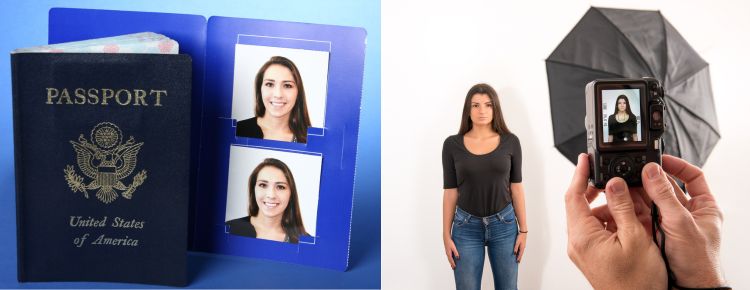
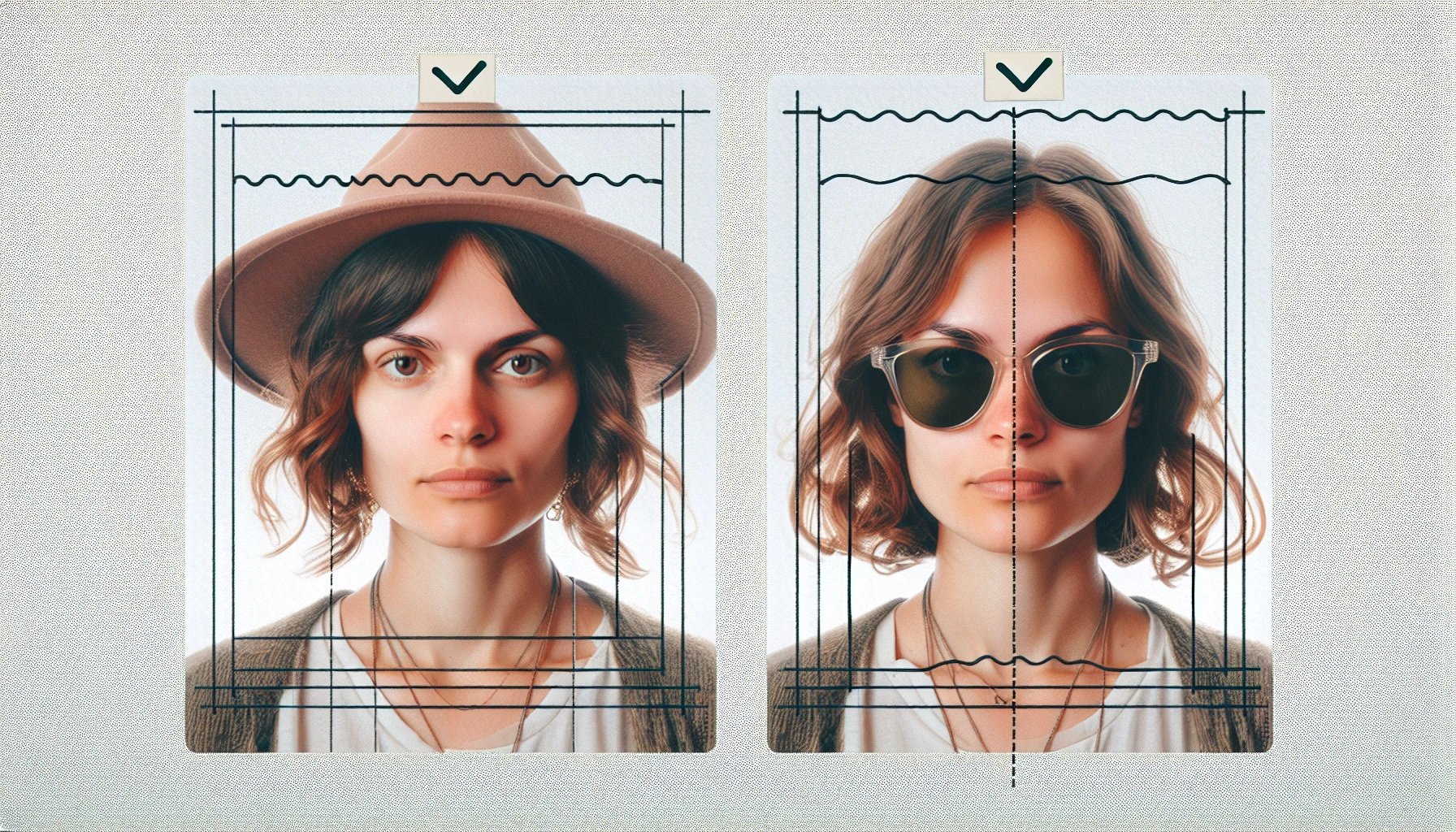
US passport photo size with acceptable and unacceptable photos

The size of passport and visa photos carries significance. The US Department of State requires that:

  • The height of the head in a passport photo should measure 1-1-3/8 inches (25 to 35mm)
  • The photo must be 2′′x 2′′ in size
  • The minimum resolution for digital images is 600 pixels x 600 pixels (height x width)
  • The maximum resolution is 1200 pixels x 1200 pixels (height x width)

These dimensions and resolution apply to both passport and visa photos.

Strictly following these size requirements helps prevent application processing delays. Using a professional passport photo service is recommended for passport applications. Keep in mind, photos must remain unaltered and clear, while low-quality vending machine or mobile phone photos are not acceptable.

Hats or head coverings are not allowed, except when worn daily for religious purposes, making it essential to understand the importance of a hat or head covering in various cultures.

Navigating Visa and Passport Photo Regulations

Visa and passport photo regulations for nonimmigrant visa applicants

Whether you’re applying for a nonimmigrant, immigrant, or Diversity Visa, adhering to specific photo regulations is essential. These regulations include:

  • The necessary head size
  • The timeframe for taking a visa application photo
  • The importance of head orientation in visa photos
  • A neutral facial expression or a natural smile is also a must.

The ensuing sections will detail the requirements for each visa category.

Nonimmigrant Visa Photos

For nonimmigrant visa applicants, the physical photo size requirement is 5cm by 5cm, and the background color should be white. The photo must have been taken within the last six months and comply with the digital image or photo requirements for the visa category. Certain embassies and consulates may require physical photos for nonimmigrant visa applications. Being aware of the specific requirements for your visa category helps prevent processing delays.

If you submit a photo that does not meet the requirements, it may lead to delays in visa processing. In the event of an inappropriate visa photo provided on the day of your interview, the processing and printing could be postponed. Therefore, always ensure that your photo meets all the official requirements for passport photos before submission.

Immigrant Visa Photos

If you’re applying for an immigrant visa, you’ll need to submit two color photos taken within the last six months of the application date. The size specification for Immigrant Visa photos is 2 x 2 inches (51 x 51 mm). Following the Department of State guidelines is necessary to make sure your photo is acceptable, as unacceptable photos could cause visa processing delays.

When it comes to clothing requirements, the US Department of State has established guidelines for Immigrant Visa photos. The photo must display your full head, from the top of your face to the bottom of your chin, and your clothing must be appropriate and in accordance with the requirements.

Diversity Visa Program Photos

For Diversity Visa Program entrants, two identical photos must be provided. The size specifications for Diversity Visa Program photos are as follows:

  • Range from 600×600 pixels to 1200×1200 pixels
  • Maximum file size of 240 KB
  • Saved in high-quality JPEG format The recommended resolution for digital images is between 600 x 600 pixels and 1200 x 1200 pixels.

Color photos are a must, as black and white photos are not permissible for the Diversity Visa Program. The accepted photo format for the Diversity Visa Program application is JPEG with a maximum file size of 240 KB. Sticking to these specific requirements can enhance your chances for a hassle-free application process.

Essential Photo Guidelines

Essential photo guidelines for passport photos

Apart from size and format, there are other essential guidelines to follow when taking your passport photo. These include the background color, photo quality, and the use of hands-free devices.

The upcoming sections will detail these important aspects.

Off White Background

An off-white background is crucial for US passport photos to ensure sharp images with discernible facial features. The background must be white or off-white to comply with the criteria established by passport offices. A plain background helps minimize distractions and shadows, making it easier for authorities to authenticate your identity.

Achieving an off-white background can be done using a plain white or off-white sheet, a white wall, or a professional backdrop. Ensure that the background is free of shadows, texture, or lines to facilitate accurate identification and analysis of your facial features in the photo.

Glossy Photo Quality Paper

Printing your passport photo requires the use of glossy, high-quality photo paper. The paper should be either matte or glossy, with a minimum weight of 200 GSM. Brands like Canon and Fuji are highly regarded for producing top-notch glossy photo paper for passport photos.

To ensure optimal results when printing passport photos on glossy paper, follow these steps:

  1. Insert glossy photo paper into your printer.
  2. Open the passport photo in a photo editor.
  3. Adjust the size and crop the photo according to the passport photo requirements.
  4. Print the photo using the photo editor’s print function.
  5. For best results, use high-quality glossy photo paper.

Wireless Hands-Free Devices

Passport photos should not include wireless hands-free devices. They can obscure the face and disrupt the identification process. The Department of State requires that headphones, wireless hands-free devices, or similar items be removed before taking the photo for a passport.

Make sure to remove any electronic devices, such as headphones, earbuds, or smartwatches, from your photo. This will help ensure that your face is clearly visible, and your passport photo meets the Department of State’s guidelines.

Head Coverings And Religious Attire

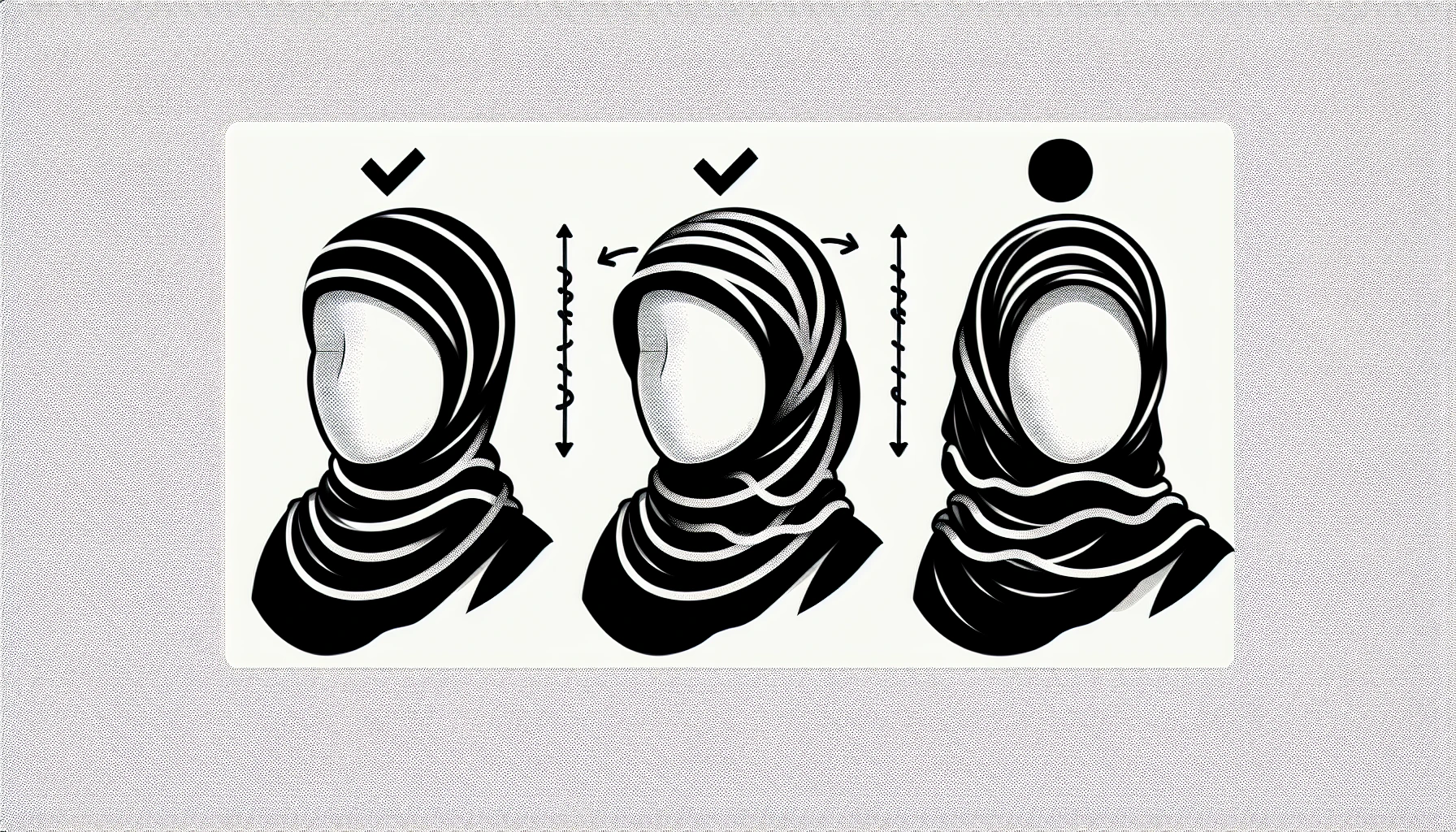
Acceptable and unacceptable head coverings and religious attire in passport photos

Head coverings that obscure the hair or hairline are not permitted in passport photos, except for those worn daily for religious reasons. The face must be fully visible and the head covering should not cause any shadows on the face. Examples of acceptable religious head coverings include:

  • Hijabs
  • Turbans
  • Yarmulkes
  • Other head coverings worn for religious purposes

Your face must remain visible in the photo.

Remember, when wearing a head covering for religious reasons, it’s important to ensure that it does not obstruct your facial features. The goal is to provide a clear and accurate representation of your appearance for identification purposes.

Facial Changes And Updating Your Photo

If you’ve undergone significant facial surgery or experienced a major change in your appearance, it’s recommended to submit a new, updated photo that accurately reflects your current appearance.

The upcoming section will detail the use of mobile phone photos and how to meet the necessary requirements.

Mobile Phone Photos

Mobile phone photographs are admissible for US passport applications, as long as they adhere to the Department of State’s digital image requirements. To ensure that your mobile phone photo meets these requirements, follow these guidelines:

  1. Make sure the photo is clear and in focus
  2. Use a light background and neutral lighting
  3. Set up the phone properly
  4. Compose a headshot that meets all the official requirements for passport photos.

Even though mobile phone photos are acceptable for passport applications, it’s important to know the difference between acceptable and unacceptable photos. Following all the guidelines and requirements set by the Department of State is still necessary. This will help ensure that your photo is accepted and your application process runs smoothly.

Tips For Capturing The Perfect Passport Photo

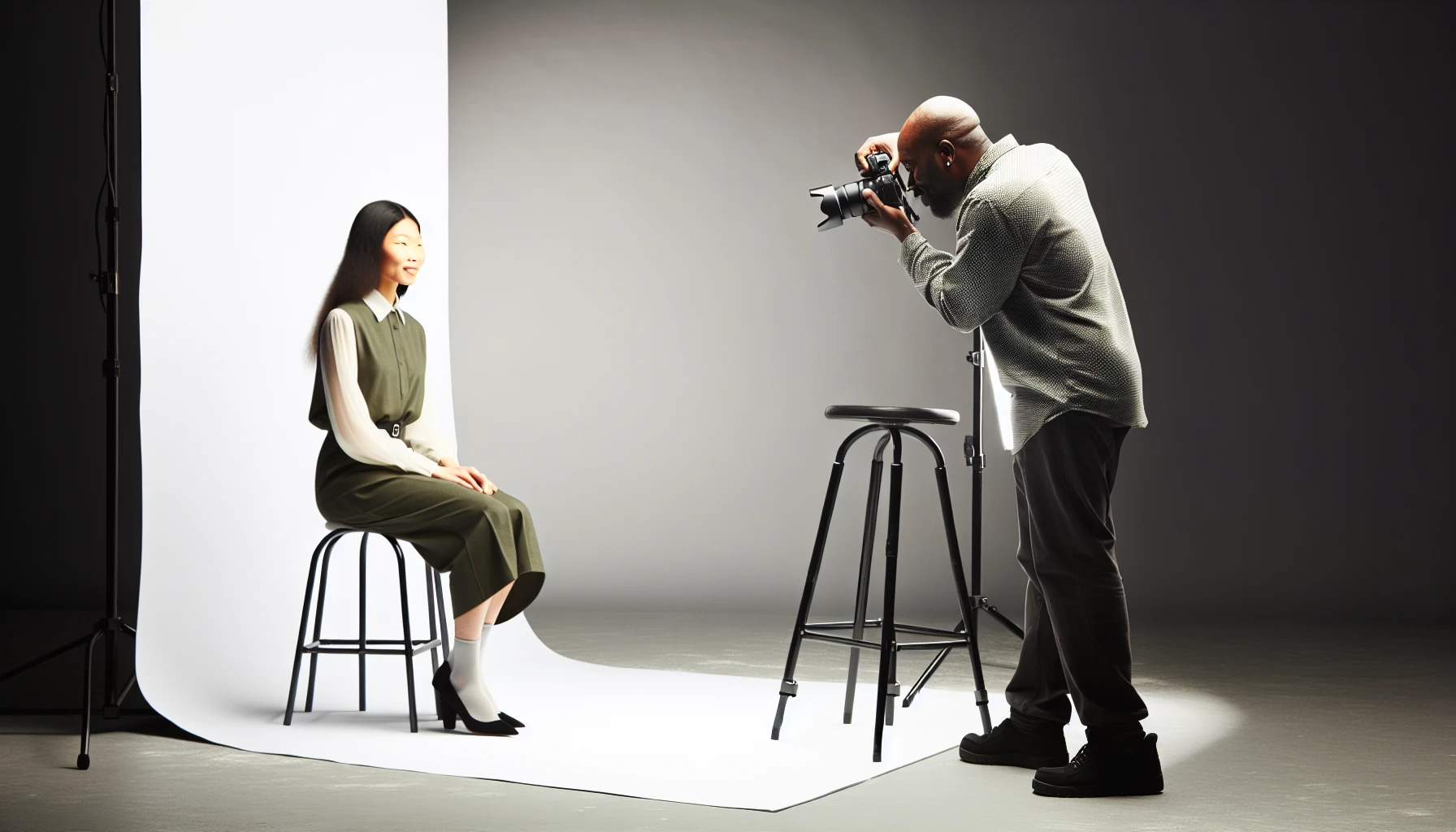
Expert tips for capturing the perfect passport photo

Capturing the perfect passport photo might seem challenging, but with a few expert tips, you can nail it on the first try. First, pay close attention to lighting: Utilize a main light located at approximately 45 degrees to the subject and approximately 2 feet above their eye level. Also, use flat lighting to prevent shadows from appearing over the face or background.

Second, ensure your head is centered and not tilted, and maintain a neutral expression or natural smile. The subsequent section will offer specific advice for taking passport photos of babies and toddlers.

Baby And Toddler Photos

Taking passport photos of babies and toddlers can be especially tricky. For infants and toddlers, it’s recommended to lay them down on a plain white or off-white sheet, ensuring that no shadows are cast on their face. Alternatively, a photograph of the child in a car seat covered with a plain white or off-white sheet is also acceptable.

If the infant’s eyes are not open or fully open, it is permissible. All children must keep their eyes open. Failing to do so is not an option. Try various methods to achieve a passport-worthy pose, such as:

  • Removing any accessories that may obstruct the baby’s face
  • Make sure the baby is awake and alert during the photo session
  • Using a light background to ensure a clear and appropriate background for the photo

Department Of State Review And Approval

The authority to accept or deny a passport photo lies with the U.S. passport agency. There are several primary causes of passport photo rejection by the US Department of State, including:

  • Unacceptable photo quality
  • Glare caused by eyeglasses
  • Shadows on the face or neck
  • Unavailability of biometric data processing due to poor picture quality

It typically takes 7-10 weeks for the Department of State to review and approve a passport photo.

If your passport photo does not meet the criteria set by the Department of State, you will be notified of the rejection and provided with instructions on how to resubmit a new photo that meets the guidelines. You will have a period of 90 days to replace the declined photo. Following the guidelines outlined in this post can boost your chances for a successful passport application process.

Summary

In conclusion, understanding the requirements and guidelines for US passport photos is essential for a smooth application process. By following the tips and recommendations provided in this blog post, you can confidently capture the perfect passport photo and navigate the various visa and passport photo regulations with ease. Remember to adhere to size requirements, use an off-white background, and ensure that your photo accurately reflects your current appearance. With these guidelines in mind, you’re one step closer to embarking on your next adventure.

Frequently Asked Questions

Is passport photo 2×2 or 4×6?

The standard US passport photo is 2 inches by 2 inches, with the head taking up approximately 50% of the photo, and the chin to top of the head measurement falling between 1 to 1-3/8 inches.

How strict are US passport photo requirements?

U.S. passport photo requirements are strict; photographs must be 2 x 2 inches in size, taken within the past six months, showing a current appearance with a full face and front view and a plain white or off-white background. Color, head size and position, and recency must all meet the specified standards.

What is the size of a US passport?

US passports are pocket-sized 3.5-by-5-inch booklets with blank pages for foreign immigration stamps and visas, valid for 10 years for those over 16, and 5 years for those under.

What is the size of a 2×2 photo?

A 2×2 photo measures 51×51 mm or 2×2 inches.

Can I wear a head covering in my passport photo?

No, you cannot wear a head covering in your passport photo unless it is worn daily for religious reasons.

B1 B2 Visa Essential Guide

Planning a trip to the United States can be an exciting adventure, whether for business or pleasure. The b 1 b2 visa is designed to accommodate a wide range of travel purposes, from attending conferences to exploring the country’s rich cultural offerings. With knowledge about the key differences between B1 and B2 visas, you can confidently navigate the application process and embark on your journey.

In this blog post, we will guide you through the essential aspects of the b 1 b2 visa, including eligibility requirements, application procedures, and preparing for a successful visa interview. By understanding the nuances between B1 and B2 visas, you can ensure a smooth experience and make the most of your time in the United States.

Key Takeaways

  • B1 and B2 visas are nonimmigrant visas for temporary visits to the U.S., with different purposes. Travelers may be eligible for the Visa Waiver Program instead.
  • Completing Form DS-160, paying a visa application fee, and scheduling an interview at a U.S. Embassy or Consulate are essential steps in applying for a B1/B2 visa. Applicants must also prepare documents such as valid passport, payment receipt etc., before their interview appointment.
  • Health insurance is strongly recommended when traveling on these types of visas, while dependents must apply separately through the same process as any other visitor visa applicant.

Understanding B1 And B2 Visas: Key Differences And Purposes

Illustration of a traveler with a suitcase and a business briefcase

B1 and B2 visas are nonimmigrant visas for temporary visits to the U.S. The B1 visa is designed for business purposes, while the B2 visa caters to tourism and leisure activities. Knowing the distinctions between these visa types and the activities they allow is key to a successful application, as each visa has a specific purpose and restrictions.

For instance, those seeking to:

  • Study
  • Work
  • Participate in paid performances
  • Serve as a crew member on a ship or aircraft
  • Work in the foreign press
  • Become a permanent resident of the U.S.

are not eligible for a B visa. However, some travelers may be eligible for the Visa Waiver Program (VWP) instead of a visa, depending on their nationality and purpose of visit.

B1 Visa: Business Activities And Permitted Actions

The B1 visa is designed for those who plan to engage in business activities in the United States with their business associates. This nonimmigrant visa allows individuals to participate in various business activities such as attending conferences, negotiating contracts, and conducting research. However, bear in mind that B1 visa holders are not allowed to work or earn a salary from a U.S. company.

In certain circumstances, personal employees, including housekeepers, maids, gardeners, or other caretakers, may be eligible for a domestic worker B1 visa. This visa permits them to work in the United States under a B1 visa, as long as they meet certain requirements and provide the necessary documentation during the application process.

B2 Visa: Tourism And Leisure Activities

Illustration of tourist attractions and leisure activities

On the other hand, the B2 visa is intended for those who wish to visit the United States for tourism, leisure, or medical treatment. B2 visa holders can engage in a variety of activities, such as:

  • Sightseeing
  • Visiting friends and family
  • Attending social events
  • Receiving medical treatment

However, they are not allowed to pursue employment or full-time education while in the U.S.

B2 entries are typically limited to a period of 6 months, although the visa can be a multiple-entry visa. This allows the holder to enter the U.S. multiple times within the validity period of the visa, making it a convenient option for those planning frequent visits to the country.

Eligibility Requirements For B1 And B2 Visas

To be eligible for a B1 or B2 visa, applicants must meet specific requirements. These include having a valid reason for visiting the U.S., sufficient funds to cover the trip, and an intention to return to their home country. In some cases, additional documentation may be necessary to support the visa application, such as proof of employment, family ties, or financial resources.

Certain individuals may be eligible for the Visa Waiver Program (VWP), which allows citizens of specific countries to travel to the United States for tourism or business purposes without obtaining a visa. The eligibility requirements for the VWP include having a passport valid with a machine-readable zone on the biographic page and being a citizen of a participating country.

Visa Waiver Program (VWP) Eligibility

The Visa Waiver Program offers a convenient alternative to the traditional visa application process for eligible travelers. Participants in the VWP can enter the United States for business or tourism purposes for a period of up to 90 days without obtaining a visa. To be eligible for the VWP, travelers must possess a valid Electronic System for Travel Authorization (ESTA) and intend to remain in the U.S. for less than 90 days. Additionally, they should be aware of the electronic visa update system, which may have further information on their travel requirements.

Currently, 41 countries are eligible for the Visa Waiver Program. To apply for an ESTA, travelers can visit the official ESTA website at https://esta.cbp.dhs.gov/esta. Carefully reviewing the VWP requirements and confirming eligibility is advisable before planning a visa-free trip to the United States.

The B1/B2 Visa Application Process

Illustration of a completed Form DS-160

The B1/B2 visa application process involves several steps, including:

  1. Completion of Form DS-160, the Online Nonimmigrant Visa Application form. This form requires applicants to provide personal information, background details, and the purpose of their visit to the U.S.
  2. Payment of the visa application fee.
  3. Scheduling an interview at a U.S. Embassy or Consulate in their country of residence.

Keep in mind that the waiting period for interview appointments may differ depending on location, season, and visa category. Hence, applying for the visa and scheduling the interview at the earliest opportunity is recommended to ensure prompt processing.

The visitor visa interview is a mandatory step for most applicants aged 14 to 79 and is significant in the approval process.

Completing Form DS-160

Form DS-160 is an integral part of the B1/B2 visa application process. This online application form requires applicants to provide personal information, background details, and the purpose of their visit to the United States. Accuracy and thoroughness are necessary when filling out Form DS-160, as any mistakes or omissions may lead to application delays or denial.

Upon completion, applicants should print the confirmation page for their records and to present during the visa interview.

Paying The Visa Application Fee

The visa application fee for B1/B2 visas is $185. Payment methods accepted include:

  • Visa
  • MasterCard
  • American Express
  • Discover

Paying the non-refundable visa application fee as per the guidelines provided by the U.S. Embassy or Consulate in your country is necessary.

The fee should be paid prior to scheduling the visa interview, and applicants must present the application fee payment receipt during the interview.

Scheduling Your Visa Interview

Arranging a visa interview is a critical stage in the B1/B2 visa application process. Applicants must arrange an appointment for their visa interview at the U.S. Embassy or Consulate in their country of residence. Keep in mind that wait times for interview appointments can vary based on location, season, and visa category, so applying and setting up the interview at the earliest convenience is vital to prevent delays.

While it is possible to attend a visa interview at an embassy or consulate in a third country, applicants may experience longer wait times for visa appointments. Being prepared and applying early can help ensure a smoother application process and a higher likelihood of a successful outcome.

Preparing For Your B1/B2 Visa Interview

A successful B1/B2 visa interview is pivotal for visa acquisition and actualizing your travel plans. To properly prepare for the interview, it is important to:

  • Gather the required documents
  • Familiarize yourself with the interview process
  • Understand the nature of the questions typically asked during the interview
  • Be ready to provide clear, concise responses

In addition to preparing yourself mentally for the interview, it is vital to ensure that all required documentation is in order and readily accessible during the interview. This includes:

  • Your valid passport
  • DS-160 confirmation page
  • Visa application fee receipt
  • A passport-sized photo

Proper preparation can enhance the likelihood of a successful visa interview and obtaining the appropriate visa for hassle-free entry into the United States.

Required Documents For The Interview

For the B1/B2 visa interview, applicants should bring the following required documents:

  • A valid passport
  • DS-160 confirmation page
  • Visa application fee receipt
  • A passport-sized photo

Having these documents easily accessible during the interview is necessary to verify your identity, payment of the application fee, and the purpose of your U.S. visit.

Tips For A Successful Visa Interview

A successful visa interview can greatly impact the outcome of your B1/B2 visa application. For a greater chance of success, take into account these suggestions:

  1. Give clear, succinct responses to the interviewer’s questions.
  2. Show solid ties to your home country via documentation.
  3. Present a well-arranged set of supporting documents.

Dressing professionally for the interview can also make a positive impression on the consular officer. While there is no specific dress code, it is recommended to wear neat, professional attire. By following these tips and thoroughly preparing for the interview, you can greatly enhance your chances of obtaining a B1/B2 visa.

B1/B2 Visa Validity, Extensions, And Changes Of Status

Photo of a U.S. visa with a validity date

Knowing the validity period, extensions, and status changes for B1/B2 visas is important for planning your U.S. visit. The visa validity and duration of stay are determined by the immigration officer at the port of entry, with B1/B2 visas typically valid for up to 6 months. Extensions and changes of status can be requested under certain circumstances by submitting the necessary forms and documentation to the U.S. The United States Citizenship and Immigration Services (USCIS) is a part of the U.S. Department of Homeland Security. It is responsible for considering applications for entry, visa applications and other immigration-related services in the U.S.

Awareness of the procedures and requirements for extending your stay or altering your visa status can contribute to a pleasant and hassle-free visit to the United States. It is essential to follow the rules and regulations set by USCIS to avoid complications or potential penalties for overstaying your visa or violating your visa status.

Visa Validity And Duration Of Stay

The validity and duration of stay for B1/B2 visas are determined by the immigration officer at the port of entry. B1/B2 visas are typically valid for up to 6 months, although the specific duration of stay granted may vary based on factors such as:

  • The applicant’s financial situation
  • Purpose of visit
  • Ties to their home country
  • Intention to return after the visit

Adhering to the duration of stay granted by the immigration officer is important to avoid the potential consequences of overstaying your visa.

Extending Your Stay On A B1/B2 Visa

If you wish to extend your stay in the United States on a B1/B2 visa, you can request an extension by following these steps:

  1. Submit Form I-539, Application to Extend/Change Nonimmigrant Status, to USCIS.
  2. Provide a valid reason for the extension.
  3. Include supporting documents such as proof of financial resources and ties to your home country.

Submitting your extension request well before the expiration of your authorized stay is necessary to guarantee prompt processing and evade potential penalties for overstaying your visa.

Changing Your Visa Status

If you wish to change your visa status while in the U.S., you can do so by submitting Form I-539, Application to Extend/Change Nonimmigrant Status, to USCIS prior to the expiration of your I-94 duration of stay. However, changing your visa status may require obtaining a new visa upon departure from the U.S., depending on the specific circumstances and requirements of the new visa category.

Carefully reviewing the eligibility requirements and procedures for changing your visa status is necessary before making any decisions.

Health Insurance And Traveling With Dependents

Health insurance and traveling with dependents are additional considerations for B1/B2 visa holders. Although health insurance is not mandatory for B1/B2 visa holders, it is highly recommended due to the high cost of healthcare in the United States. Traveling with dependents may also require additional planning and preparation, as B1/B2 visas do not include specific dependent visas, and each dependent must obtain their own visitor visa.

Considering these factors and making knowledgeable decisions can result in a pleasant and hassle-free visit to the United States for you and your dependents. Proper planning and preparation can help make your trip a memorable experience for everyone involved.

Health Insurance Recommendations

While health insurance is not a requirement for B1/B2 visa holders, it is strongly advised due to the potential high cost of medical treatment in the United States. To ensure adequate coverage during your visit, consider purchasing travel medical insurance or visitor insurance from U.S. companies, or verify if your home country’s health insurance provides coverage in the U.S.

Possessing health insurance coverage can offer tranquility and shield you from unforeseen medical costs during your stay.

Bringing Dependents On A B1/B2 Visa

Dependents of B1/B2 visa holders, such as spouses and children, must apply for their own visitor visas, specifically the B2 visa, as there are no specific dependent visas for B1/B2 visa holders. Each dependent must follow the same application process as any other visitor visa applicant, and their duration of stay in the United States will be determined by the immigration officer at the port of entry.

Understanding the requirements and procedures for dependents can lead to a pleasant and hassle-free visit for your entire family.

Summary

In conclusion, understanding the key differences between B1 and B2 visas, eligibility requirements, application procedures, and the importance of health insurance and traveling with dependents is crucial for a successful visit to the United States. By thoroughly preparing for your B1/B2 visa interview and adhering to the rules and regulations set by USCIS, you can ensure a smooth entry into the U.S. and make the most of your time in this diverse and dynamic country.

Frequently Asked Questions

How long can I stay in the US with a B1 B2 visa?

You are allowed to stay in the US for up to 6 months on a B1 B2 visa, and the length of the visa itself can be issued for up to 10 years. If you’d like to stay longer than 6 months, it may be possible to extend your stay for up to one year.

What is my visa number B1 B2?

Your B1/B2 visa number is an 8-digit numeric character or a letter followed by seven numeric characters printed on the bottom right side of your visa documents.

Is B1 B2 visa the same as H1B?

No, the B1/B2 visa is not the same as an H1B. A B1/B2 visa is for those who wish to visit the U.S. for vacation or business purposes, whereas an H1B is a temporary work visa. The B1/B2 visa does not allow employment with a U.S. employer.

What are the limitations of B1 B2 visa?

B1 and B2 visa holders are limited to a 6 month stay in the US, as determined by US Customs and Border Protection at the time of arrival. Additionally, studying in the US is strictly prohibited on these visas and the maximum length of validity is 10 years.

What is the difference between a B1 and a B2 visa?

A B1 visa is intended for business activities, while a B2 visa is issued for tourism and leisure. Each type of visa has its own specific restrictions and allows different activities.

Form DS 160: Essential Tips For A Smooth U.S. Visa Application Process

Navigating the complex labyrinth of the US visa application process can be overwhelming. But fear not, intrepid traveler! This comprehensive guide will illuminate the path to mastering the DS-160 form, ensuring a smooth and successful journey toward your temporary US visa.

Every individual visitor planning to visit the U.S.,

Must fill out, complete, and file their form DS-160 (Online Nonimmigrant Visa Application). Every visitor (including children) needs their own Form DS-160.

Applicants aged 16 years or younger or applicants unable to complete the form DS-160 on their own can take the help of a third party to complete the Form.

Key Takeaways

  • Navigate the Consular Electronic Application Center to access the DS-160 form.
  • Provide essential information such as passport, travel itinerary and more when starting your application.
  • Carefully review and adhere to all guidelines for a successful visa application process.

Navigating the Consular Electronic Application Center

Completing the DS-160 form begins with accessing the Consular Electronic Application Center, the hub for your online nonimmigrant visa application. A few simple clicks and you’ll be progressing towards your aspirations of traveling to the United States.

However, before immersing yourself in the application process, it’s necessary to grasp the significance of the Application ID and its significant role in your visa application journey.

Starting Your DS-160 Online Application

To initiate your Form DS 160 online application, visit the official website of the U.S. Department of State. You’ll need to provide essential information such as:

  • Your passport
  • Travel itinerary
  • National ID number (if applicable)
  • Social security number (if applicable)

Keep in mind that the DS-160 online application may take approximately 60-90 minutes to complete. although there is no fee associated with the DS-160 form itself, you will need to pay the Machine Readable Visa (MRV) fee during the application process.

Once you’re ready to begin, follow these steps to complete your DS-160 form:

  1. Select the consulate or embassy where you will be applying for your visa.
  2. Make sure to have your inventory control number handy, as it may be required during the process.
  3. With all the required details at your disposal, you’re now ready to proceed with the completion of your DS-160 form!

Understanding The Application ID

As you progress through the DS-160 form, you’ll encounter the Application ID – a unique identifier that is vital for retrieving your application. This distinct number, also known as your national identification number, is generated by taking the first five letters of your surname, your year of birth, and the answer to the security question you selected when initiating your application.

But why is the Application ID so important? Well, it serves as your key to retrieving your application, checking its status, and making any necessary modifications. Therefore, handle your Application ID with great care, protecting it throughout your visa application process to guarantee a seamless and successful outcome.

Crafting The Perfect DS-160 Profile

DS-160 online application form with digital photo submission

Having obtained the Application ID, you can now proceed to create your ideal DS-160 profile. Like a skilled artisan, you’ll need to sculpt your personal information and travel plans with precision and care. This careful detailing will not only make your profile distinguished but also equip the U.S. Department of State with the required information to assess your eligibility for a nonimmigrant visa.

Personal Information Section

When completing the personal information section, make sure to provide your full name (including middle name), passport details, and travel plans. Be mindful of including all surnames (or family names) precisely as they appear in your passport. If your passport does not include a first or given name, enter ‘FNU’ in the space allocated for “Given Names”. This acronym stands for “first name unknown”.

Additionally, don’t forget to list any other names you may have been known by, such as:

  • Your maiden name
  • Religious name
  • Professional name
  • Any aliases

This attention to detail will ensure that your personal information is accurate and complete, paving the way for a smooth visa application process.

Passport Details And Travel Plans

For the passport details section, provide valid passport information, ensuring that all names are entered in English characters as they appear on the passport and that all middle names are included. Remember, your passport must remain valid for a minimum of six months from your intended date of travel.

Next, you’ll need to outline your travel plans with precision. Be as accurate and comprehensive as possible, including:

  • The purpose of your trip
  • Your anticipated arrival and departure dates
  • The cities you intend to visit
  • Any accommodations you have made

Furnishing this section with detailed and accurate information shows your sincere intentions and adherence to the rules and regulations of the US visa process, especially for petition-based temporary workers.

Employment And Education History Reporting

Just as your personal information and travel plans are vital components of your DS-160 profile, so too is your employment and education history. An accurate and complete portrayal of your work and educational background will not only provide the U.S. Department of State with a full understanding of your experiences, but it will also contribute to a solid basis for your visa application.

Documenting Work Experience

When documenting your work experience in the DS-160 form, it’s essential to clearly describe your job duties and be precise about your occupation. If you’re a student, simply indicate “student” as your primary daily activity. Be sure to provide comprehensive and accurate information about your employment history, including temporary workers, if applicable:

  • The name of the company
  • Your job title
  • Dates of employment
  • A concise description of your duties and accomplishments.

A thorough and transparent representation in this section will convey to the U.S. Department of State your responsibility and trustworthiness as a visa applicant.

Educational Background

In the DS-160 form, you’ll also need to detail your current and previous education background, beginning with the highest level of education you have completed. This encompasses information regarding your college or university education, as well as any other pertinent educational qualifications. Be mindful to provide accurate dates for your educational history and address any gaps in your education, such as a gap year between high school and college.

Being truthful and providing accurate data will aid the U.S. Department of State in making a knowledgeable decision regarding your visa application.

Photo Submission Guidelines

Guidelines for submitting compliant photo with DS-160 form

While a picture is often said to be worth a thousand words, in the context of your DS-160 form, an appropriate photo holds greater value. Submitting a photograph that adheres to the US visa photo requirements and specifications will ensure that your application is not delayed or rejected due to an improper image. Don’t let a simple mistake like an incorrect photo derail your dreams of traveling to the United States.

The photograph you submit should:

  • Be taken within the last six months
  • Adhere to the US Visa photo requirements and specifications
  • Be in color, with a plain white or off-white background
  • Have a size of 240kb or less
  • Have precise size dimensions of 2 x 2 inches (51 x 51 mm)

By following these guidelines, you’ll ensure that your photo submission is picture-perfect and ready for your visa application.

Completing And Reviewing Your DS-160 Form

As you near the completion of your DS-160 form, it’s important to meticulously review your form and verify the accuracy and completeness of the provided information. Any errors or inconsistencies could lead to delays or even the rejection of your visa application, so be thorough and vigilant as you finalize your form.

Security Questions And Electronic Signature

Before submitting your DS-160 form, you’ll need to set up security questions and provide an electronic signature. The security questions are designed to collect data pertinent to security and background checks for visa applicants, ensuring the security and accuracy of the visa application process.

To complete the process and electronically sign, simply click the “Sign Application” button in the certification section of the form. By affixing this electronic signature, you affirm the accuracy and completeness of all information in your application.

Confirmation Page And Barcode

Once you’ve submitted your DS-160 form, you’ll receive a confirmation page with a barcode. This confirmation page must be printed and presented at your US visa interview. The barcode serves as an identifier and tracking mechanism during the visa application process, ensuring that your application is easily accessible and managed throughout its journey.

To print the confirmation page, follow these steps:

  1. Go to the DS-160 application website.
  2. Find the instructions for printing the confirmation page.
  3. Use the print function of your browser to print a hard copy.

With the confirmation page in hand, you’re one step closer to your dream of visiting the United States.

Post-Submission Procedures

Retrieving submitted DS-160 form from Consular Electronic Application Center

Submitting your DS-160 form is a significant milestone on your journey to obtaining a US visa, but the adventure doesn’t end there. After you’ve submitted your form, there are several post-submission procedures to follow, including retrieving your application (if necessary) and preparing for your visa interview.

Staying organized and well-informed guarantees a seamless and successful culmination of your visa application process.

Retrieving Your Submitted DS-160

In some cases, you may need to retrieve your submitted DS-160 form. Whether you need to access your form for personal reference or to make updates, it’s important to know how to do so. You can retrieve your submitted DS-160 form within 30 days of submission by following these steps:

  1. Go to the Consular Electronic Application Center (CEAC) website.
  2. Click on the “Retrieve an Application” button.
  3. Enter your application ID, which can be found on the confirmation page when you submitted your DS-160 form.
  4. Answer the security questions to verify your identity.
  5. Once your identity is verified, you will be able to access your submitted DS-160 form.

There is no fee associated with retrieving a submitted DS-160 form, so rest assured that you can access your application without any additional costs.

Visa Interview Preparation

Having submitted your DS-160 form and obtained your confirmation page, you can now gear up for the concluding phase of your visa application process: the visa interview. This critical step can be nerve-wracking, but with proper preparation, you’ll be ready to face the interview with confidence.

Typical questions posed during a US visa interview may include your reasons for visiting the USA, any previous travel to the country, and the purpose of your intended trip, especially for exchange visitors. Be sure to bring all required documents, including photographs and original or certified copies of necessary paperwork, to your visa interview appointment.

Presenting yourself professionally and arranging your documents methodically will show your dedication to adhering to the rules and regulations of the US visa process. And remember, if you’re unable to answer a question during your interview, it’s better to be honest and admit that you don’t know the answer rather than trying to deceive the interviewer.

With adequate preparation and a clear understanding of your case, you are set to excel at your visa interview and commence your journey to the United States.

Summary

In conclusion, mastering the DS-160 form is an essential step in your journey to obtaining a temporary US visa. By following this comprehensive guide and paying careful attention to each section of the form, you’ll be well on your way to a smooth and successful visa application process. Remember to be thorough, accurate, and honest in your responses, and don’t forget to prepare for your visa interview with confidence. With dedication and perseverance, your dreams of visiting the United States can become a reality.

Frequently Asked Questions

What is a DS 160 form?

DS-160 is an online form, The electronic form is used to apply for nonimmigrant visas to the U.S., such as B1/B2 visitor visas, K (fiancé(e)) visas, and more. Developed by the U.S. State Department’s Bureau of Consular Affairs, it incorporates all existing nonimmigrant visa applications into a single interactive form and must be submitted electronically via the Department of State website.

Does DS 160 expire after submission?

The DS-160 form is valid for 30 days from the time of submission, after which it will expire and you will need to start a new application. Make sure to print the confirmation page and bring it to the interview before the expiration date.

What is DS 160 confirmation page?

The DS-160 Confirmation Page is the confirmation of your submission for an Online Nonimmigrant Visa Application. You must bring this page along with your passport to the Application Service Center.
How long does it take to complete the DS-160 online application?

Completing the DS-160 online application typically takes between 60-90 minutes.

What are the photo requirements for the DS-160 form?

To be accepted, the passport-style photo for the DS-160 form must have been taken in the last six months, be in color, with a plain white or off-white background, and have a size of 240kb or less.

U.S. To Reduce Visa Delays, Increases Staff Strength, Opens New Consulates In India

To reduce the waiting time for visa issuance from India, The US is opening new consulates and increasing staff strength. The intricate process of obtaining a U.S. visa has long been plagued by delays, causing frustration and disruption for countless applicants. In a bid to address this persistent challenge, the U.S. government has initiated significant measures, including a substantial increase in staffing and the establishment of new consulates in India.

In recent times, concerns over U.S. visa delays processing have prompted significant actions by the United States government. Recognizing the impact of these delays on individuals and businesses.

The U.S. has embarked on a mission to streamline visa processes, evident in the substantial increase in staffing and the establishment of new consulates in India. This article delves into the details of these efforts and their potential implications.

U.S. Visa Delays – Highlighted Reason

According to the US Embassy, their team in India already processed more visa applications in 2023 than any previous year.

With the number of US visas issued in India increased by one-third in recent weeks US Ambassador Eric Garcetti said the US embassy is likely to issue 10-15 percent more visas than usual in the current calendar year, The goal for 2023 is to process at least one million visas.

The Ambassador highlighted the reason for the delay in visa issuance to date. According to the Ambassador, The delay in issuance of visas was due to the large number of applicants. other large countries facing similar issues are Brazil and Mexico.

To overcome this delay in India, Eric Garcetti during an interactive session hosted by the Observer Research Foundation (ORF) said:

  • One consulate was opened recently in Hyderabad
  • The new consulate will come up in Ahmedabad.
  • Premises for the new consulates are already being taken up in Bengaluru and Ahmedabad.

As per Business TodayEric Garcetti confirmed of looking at new premises for establishing a consulate in Ahmedabad yesterday. People have already joined the Hyderabad Consulate and staff strength is being increased.

Visa Delays

The Challenge Of Visa Delays – Background

Before delving into recent developments, it’s crucial to understand the complexities contributing to visa delays. High demand, bureaucratic processes, and external factors, such as the global pandemic, have all played a role in exacerbating delays in U.S. visa processing.

The repercussions of prolonged processing times have been felt by individuals, families, and businesses alike, necessitating urgent action.

Visa delays have been a longstanding challenge, affecting individuals and businesses seeking into the United States. The prolonged processing times have led to frustration among visa applicants, hindering travel plans, business operations, and family reunifications.

Understanding the gravity of the situation, the U.S. government has decided to address these delays head-on.
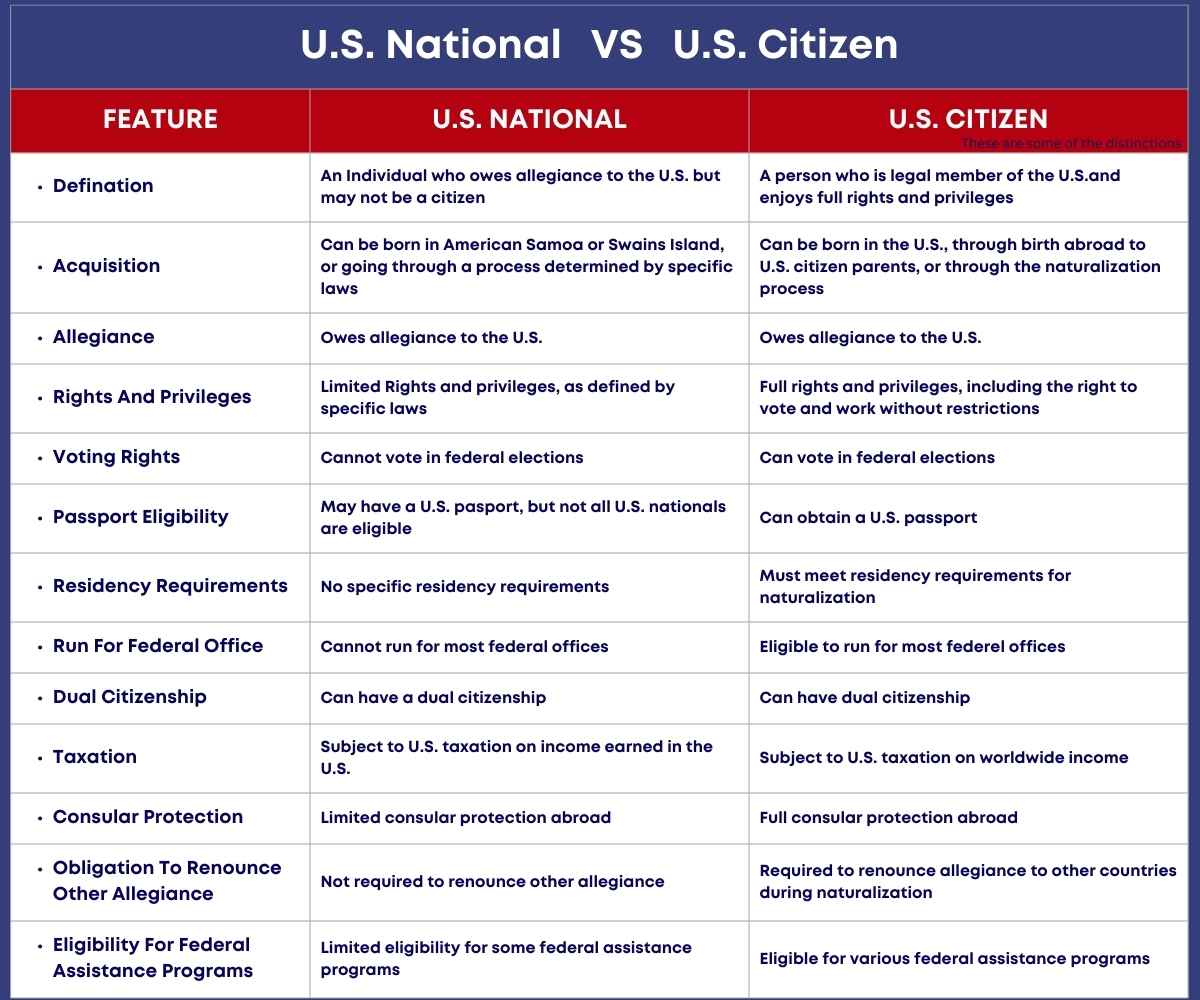
The Urgency Of Addressing Visa Delays

The significance of timely visa processing cannot be overstated.

  • For individuals, it means the ability to pursue educational opportunities, join family members, or fulfill career aspirations in the US
  • For businesses, it translates to smoother operations, facilitating the movement of skilled professionals essential for growth.

Recognizing these implications, the U.S. government has embarked on a mission to streamline the visa process.

US To Increase Staff Strength

One key strategy adopted to tackle the visa backlog is a substantial increase in staff strength. According to reports from reliable sources Business Today, the U.S. government has committed to boosting its workforce dedicated to visa processing.

This move is aimed at expediting the review and approval process, thereby alleviating the burden on the existing system.

U.S. To Open New Consulates

Opening new consulates is another significant step taken to mitigate visa delays. As highlighted in reports by Business Standards, the U.S. is strategically expanding its consular presence in India. By establishing new consulates, the government aims to decentralize visa processing, distributing the workload more evenly and reducing the strain on existing facilities.

Insights From U.S. Envoy Eric Garcetti

U.S. Ambassador to India, Eric Garcetti, has been vocal about the efforts to address visa delays. In a statement reported by The Economic Times, Ambassador Garcetti emphasized the commitment to reducing processing times. He outlined the importance of expanding the workforce and establishing new consulates to enhance the capacity and efficiency of the visa processing system.

Key Objective Of The Initiatives

The primary objectives of increasing staffing and opening new consulates are multi-faceted.

  • Firstly, it aims to significantly reduce the backlog of visa applications, providing timely decisions to the us visa applicants.
  • Secondly, by decentralizing the processing centers, the U.S. government intends to create a more resilient and adaptable system that can better handle fluctuations in demand and unexpected challenges.

Potential Impact On Visa Applicants

The proactive measures taken by the U.S. government hold promise for those awaiting visa decisions. with an increased workforce and additional consulates, visa applicants can anticipate faster processing times, enabling smoother travel plans, streamlined business operations, and enhanced family reunifications.

Challenges And Criticism

While these initiatives are a positive step forward, challenges and criticisms persist. Some skeptics question whether the increased staffing and new consulates will be sufficient to address the scale of the US visa backlog. Others express concerns about potential administrative challenges and the need for sustained efforts to ensure lasting improvements.

Looking Ahead: A Transformative Period For U.S. Visa Processing

As the U.S. implements these transformative measures, the coming months will be crucial in determining their effectiveness. Visa applications, immigration advocates, and businesses will be closely monitoring the outcomes, hoping for a more efficient and responsive U.S. visa processing system.

India And US Cooperation

India And U.S. Cooperation To Simplify Visa Applications Process

During Indian Prime Minister Narendra Modi’s visit to the US, There was news of significant development aimed at streamlining the H-1B visa renewal process according to the news, Indian professionals on H-1B visas will no longer be required to leave the US for the renewal of their H-1B visas. They would be able to renew their H-1B visas in the U.S. without having to leave the US and go to their home country.

Conclusion: A Ray Of Hope For Visa Applicants:

In the face of persistent visa delays, the recent actions by the U.S. government signal a ray of hope for Visa applicants navigating the immigration process. The commitment to increase staffing and the establishment of new consulates reflects a strategic approach to tackle the root cause of delays. As these initiatives unfold, their success will be closely watched by individuals, businesses, and immigration advocates alike, eager to witness a more efficient and responsive U.S. visa processing system.

What Is A National? Understanding U.S. Nationals And Citizens

Want to know, What is a national? Well, The Immigration and Nationality Act (INA) defines a national as a person owing permanent allegiance to a state. The term U.S. National includes all U.S. Citizens as well as persons who though not citizens of the United States, owe permanent allegiance to the United States (non-citizen nationals).

This can include people born in outlying possessions of the United States (American Samoa or Swains Island)

  • Majority of people born in the U.S. and its territories are born as U.S. citizens
  • Individuals born in American Samoa and Swains Islands are generally U.S. Nationals
  • Historically, over the course of time with applicable law of that time, some persons born in U.S. possessions were born as U.S. nationals
  • A U.S. national is a native of an American territorial possession.

Foreign nationals living in any state or qualified territory may naturalize

  • After becoming permanent residents and
  • Meeting a residence requirement, which is normally 5 years.

The terms US nationals and US citizens are often used interchangeably, leading to confusion regarding their meanings. The concepts of National and Citizen are often used interchangeably, but in the context of the United States, they hold distinct different meanings, and there are significant differences and legal implications.

In this article, we’ll unravel the mysteries surrounding the term national and explore the differences between a US national and a US citizen, shedding light on the significance of each.

Who Is Considered A U.S. National?

Individuals born in US territories like Puerto Rico and American Samoa are considered US nationals. Additionally, those born to US national parents in these territories or born abroad to US national parents may acquire US national status. The parents need to meet specific residency requirements.

  • If a U.S. national wants to travel abroad, they can apply for a U.S. passport, they have the right to be protected by consular offices.
  • They are given a U.S. passport with a special endorsement stating the holder is a U.S. national and not a U.S. citizen.

Nationals vs Citizen

US nationals are not the same as US citizens, but they share a connection to the United States. While both groups owe allegiance to the US, citizens enjoy broader rights and privileges due to their full American Citizenship. Nationals, on the other hand, hold nationality tied to specific territories.

  • All U.S. citizens are U.S. nationals, but
  • There are some U.S. nationals who are not U.S. citizens

A very small number fall into the category of non-citizen U.S. nationals (U.S. nationals) as defined in the Immigration and Nationality Act.

This highlights the distinction between U.S. citizenship and U.S. nationality.

  • All U.S. citizens are U.S. nationals: This part emphasizes that every U.S. citizen holds U.S. nationality. In other words, U.S. citizenship includes U.S. nationality, and citizens enjoy the full set of rights and privileges that come with both statuses.
  • Some U.S. nationals are not U.S. citizens: This part acknowledges that there are individuals who possess U.S. nationality but have not gone through the naturalization process to become full U.S. citizens.
  • These individuals are referred to as U.S. nationals. They have certain rights and privileges, such as the ability to travel on a U.S. national passport and live in specific U.S. territories, but they do not hold the full right of U.S. citizenship, such as voting in federal elections.

In essence, U.S. nationality is a border category that encompasses both U.S. citizens and U.S. nationals, with U.S. citizens having the most comprehensive set of rights and privileges.

A U.S. National

What Is A U.S. National?

A U.S. national is an individual who holds US national status, owing their allegiance to the United States. While this definition may seem similar to that of a US citizen, it is crucial to recognize that not all US nationals are US citizens. Nationality is often tied to specific US territories and possessions.

  • A U.S. national is a person born in or having ties with an outlying possession of the U.S. (American Samoa and Swains Island).
  • A US national is an individual who owes their allegiance to the United States but may not necessarily hold a US citizenship.
  • This status is typically associated with individuals from certain US territories and possessions, such as Puerto Rico, American Samoa, Guam, the US Virgin Islands, and the United States who do not have the full rights and privileges of US citizens.
  • It also includes individuals born abroad to two U.S national parents or
  • Those born to one alien parent and one U.S. national parent. but there is a residency requirement for the parents of the child prior to birth in order to transmit U.S. nationality
  • They enjoy certain rights, but they may not have the full privileges and responsibilities of a US citizen
  • US nationality is typically obtained through provisions in the US Constitution, various laws, and international treaties.
  • Nationals are entitled to all legal protection of U.S. citizens but do not have the complete political rights of U.S. citizens.
  • Individuals born in any of the 50 US states, the District of Columbia, or almost any inhabited territories are US citizens by birthright, with the sole exception of American Samoa, where individuals are typically non-citizens US nationals at birth.

What U.S. National Can And Cannot Do?

US nationals are not allowed to vote in federal elections or serve in federal office. To do that, they will have to become naturalized citizens. However, US nationals are allowed to live and work in the US without restrictions, and they are given US passport with a special endorsement stating that the holder is a US national vs a US citizen.

U.S. Nationality vs U.S. Citizenship

U.S. Nationality vs U.S. Citizenship

In consideration all U.S. citizens are U.S. nationals, but there are some US nationals who are not US citizens. The main difference between national and citizen is that

  • Nationality relates to the place you are born
  • Citizenship relates to the title given to you by the government

The primary difference between US nationals and US citizens revolves around their legal status and associated rights:

  • Citizenship Rights: US citizens enjoy the full spectrum of rights, including the right to vote in federal elections, run for public office, and obtain a US passport.
  • US nationals do not possess these privileges.
  • National Origin: US nationals often hail from US territories or have acquired their status through descent or birth in these territories.
  • US citizens, on the other hand, can be native-born or naturalized.
  • Nationality vs Citizenship: US nationals have a nationality associated with their specific territory,
  • US citizens have American citizenship.
  • Travel Privileges: US citizens can travel internationally with a US passport,
  • US nationals may use an alternative document, such as a US national passport

The major difference between between US citizens and US nationals is voting rights and eligibility to hold public office.

How To Prove U.S. Nationality

  • Obtain a U.S national Passport
  • Present a Consular Report of Birth Abroad (CRBA)
  • Provide U.S Territory Birth Certificate
  • Consular Assistance
  • Legal Assistance

Rights And Restrictions Of A U.S. National

U.S. nationals are individuals who owe their allegiance to the United States but are not full U.S. citizens. As a result, they have a distinct set of rights, responsibilities, and restrictions compared to U.S. citizens. Here’s an overview of the rights and restrictions of a U.S national:

Rights Of A U.S National:

  • Travel on a U.S. national Passport
  • Live and Work in U.S. Territories
  • Access to the U.S. Government Assistance

Restrictions And Limitations

  • Limited Voting Rights
  • Limited Citizenship Privileges
  • Citizenship Application
  • Limited Consular Protection
  • Travel Documentations
  • Dual Nationality Considerations
  • Tax Obligations
Benefits of Naturalization

Benefits For U.S. Nationals Who Naturalize

When U.S nationals choose to naturalize and become full U.S citizens, they gain a range of benefits and privileges that were not available to them as nationals. Naturalization is a significant step that grants U.S. nationals full citizenship, and it comes with various advantages. Here are some benefits for U.S nationals who choose to naturalize:

  • Right to Vote
  • Eligibility for Federal Public Office
  • Access to U.S. Passport:
  • Eligibility to certain Government Jobs
  • Enhanced Government Benefits
  • Freedom of travel
  • Comprehensive Legal Rights
  • Full Civic Participation
  • Travel Convenience
  • Consular Assistance

What Is A U.S. Citizen?

A person born in one of the fifty (50) United States, the district of Colombia, Puerto Rico, Guam, the U.S. Virgin Islands, or the Northern Mariana Islands, a person born outside of the U.S to at least one U.S parent, or naturalized citizen

People who either got citizenship by being naturalized or obtained birthright citizenship are known as U.S. citizens.

Birthright citizenship means that a person born in the United States becomes a citizen if they are born in the U.S.

They can also be citizens:

  • If they are the child of U.S citizen parent(s)
  • People born in specific U.S. territories obtain citizenship automatically

A U.S. citizen is an individual who holds full citizenship in the United States. U.S. citizenship is the highest legal status attainable in the United States and comes with a range of rights, privileges, and responsibilities.

Rights And Restrictions Of A U.S. Citizen

As U.S. citizens, individuals enjoy a range of rights and privileges but they are also subject to certain responsibilities. Here is an overview of the rights, responsibilities, and restrictions of a U.S. citizen.

Rights Of A U.S Citizen:

  • Right to Vote: U.S. citizens have the fundamental right to vote in federal, state, and local elections. This right is the cornerstone of American democracy.
  • U.S. Passport: Citizens can apply for and obtain a United States Passport, which allows them to travel internationally and receive consular protection while abroad.
  • Right to Work: Citizens can work in any legal employment within the United States and are eligible for certain government jobs and benefits.
  • Government Benefits: U.S. citizens are entitled to various government benefits, including social security, Medicare, Medicaid, and federal financial aid for education.
  • Civic Participation: Citizens can run for public office, serve on juries, participate in civic activities, and engage in the political process.
  • Freedom of speech and expression: Citizens have the right to freedom of speech, freedom of the press, and freedom of assembly, as protected by the First Amendment of the U.S Constitution.
  • Right to Due Process: Citizens have the right to due process of law, ensuring fair treatment under the legal system and protection from arbitrary actions by the government.
  • Religious Freedom: Citizens have the right to practice their chosen religion freely, as guaranteed by the First Amendment

Responsibilities Of A U.S. Citizen:

  • Civic Duty
  • Selective Service
  • Jury Service

Restrictions And Limitations:

  • Dual Citizenship
  • Criminal Convictions
  • Naturalized Citizens
  • Taxes
Naturalization Process

How U.S. Nationals Become American Citizens

Persons not born a citizen can through the process of naturalization acquire citizenship. Non-citizen nationals may file form N-400, Application for Naturalization, with USCIS (U.S. Citizenship and Immigration Services).

Usually a non-citizen national can apply for U.S. citizenship under the same rules as legal permanent residents. Even though non-citizen nationals are protected by swear allegiance to the U.S., they are not granted the same rights and benefits as full citizens. Since nationals are not citizens, they cannot vote in the election of federal politicians.

To become a U.S. citizen, non-citizen nationals must meet the following requirements:

  • Must be at least 18 years old
  • Be able to pass the English (able to read, write, and speak English) and civics tests (have knowledge and understanding of U.S. history and government)
  • Have 5 years of continuous residence in the United States
  • Must be physically present in the U.S. for at least 30 months out of the most recent 5 years
  • Must be a person of good moral character

American National Meaning

The term American national is used to refer to individuals who hold US national status, indicating their allegiance to the United States. American nationals are typically associated with specific US territories, such as Puerto Rico, American Samoa, Guam, the US Virgin Islands, and the North Mariana Islands

The meaning of American national is closely linked to territorial nationality, as these individuals may not necessarily hold full US citizenship. While they share a connection with the United States, American nationals do not enjoy all the rights and privileges of US citizens, Such as the right to vote in federal elections or obtain a US passport. Instead, they may use an alternative travel document, like a national passport, for international travel.

The term American national emphasizes the distinction between US citizens and those who have a national status associated with specific territories. while they contribute to the diverse fabric of American identity, the legal implications and privileges of US nationals differ from those of US citizens

Certificates Of Non-Citizen Nationality

Certificates of Non-Citizen Nationality (often referred to as Nationality Certificates) are documents issued by the U.S. government to individuals who possess U.S. nationality but are not U.S. citizens. These certificates serve as official proof of an individual’s non-citizen U.S. nationality.

FAQ – U.S. National vs U.S. Citizen

What Does A U.S. National Mean?

The term U.S. National includes all U.S. Citizens as well as persons who though not citizens of the United States, owe permanent allegiance to the United States and are entitled to protection but does not have the full right of a U.S. Citizen

How Does A U.S. National Differ From A U.S. Citizen?

  • A U.S. National do not have the right to vote in federal election or run for federal office
  • U.S. citizens have the fundamental right to vote in federal, and state. and local elections.
  • U.S. citizens have rights and responsibilities that U.S. National do not have

Can A U.S. National Become A U.S. Citizen?

Yes, U.S. National can become a U.S. citizen and apply for U.S. citizenship through the naturalization process

Do U.S. Nationals Need Visas To Live In The U.S.?

No, U.S. Nationals can live and work anywhere in the U.S. without any restrictions

Can U.S. Nationals Obtain U.S. Passport?

Yes, U.S. Nationals can obtain a U.S. Passport, but with status mentioned as a National and not a Citizen

How Does One Become A U.S. Citizen?

One can become a U.S. Citizen

  • Either by birth within the U.S.
  • Being born abroad to U.S. citizen parents
  • Through the process of Naturalization (meeting certain requirements) and taking an oath of allegiance

Do U.S. Nationals Pay U.S. Taxes?

Yes, U.S. nationals pay U.S. taxes as they are subject to U.S. tax laws

Can U.S. Nationals Serve In The U.S. Military?

Yes, U.S. Nationals can serve in the U.S. Military

K-1 Visa | Fiancé(e) Visa Explained

If you are a U.S. citizen and want to legally marry your foreign partner and bring your foreign partner to the U.S. then you can apply for a K-1 visa. The K-1 visa which is also known as the fiancé(e) visa, allows a foreign fiancé(e) of a U.S. citizen to travel to the U.S. with the intention of getting married.

After marriage, the foreign spouse can apply for a green card (lawful permanent resident status) without leaving the United States. Here is an overview of the process.

What Is the K1 Visa And How Does It Work?

The K-1 visa, also known as fiancé(e) visa, is a nonimmigration visa for the foreign-citizen fiancé(e) of a united states (U.S.) citizen.

  • The k-1 visa allows the foreign-citizen fiancé(e) to travel to the United States to marry their U.S. citizen sponsor
  • Marriage to take place within 90 days of arrival.
  • After marriage, the foreign citizen fiancé(e) can apply for adjustment of status to a lawful permanent resident (LPR)
  • The application must be done with the Department of Homeland Security (DHS), U.S. Citizenship and immigration services (USCIS)
  • U.S. citizens already married or wanting to get married outside the United States are not eligible for a K1 visa. But can apply for a K-3 visa (spouse visa).
  • Eligible children of K-1 visa applicants receive K-2 visas
  • All K visa applicants need to undergo a medical examination before traveling to the United States. (The cost is based on the country in which the K visa interview is conducted).
  • As a fiancé(e) visa allows the holder to immigrate to the U.S. and marry a U.S. citizen the fiancé(e) must meet some of the requirements of an immigrant visa.
  • If you are already married, planning to marry outside the U.S., or your foreign citizen fiancé(e) is already legally living in the U.S., then you and your spouse/fiancée are not eligible for a K-1 visa. You may apply for the K3 spousal visa
  • A K3 visa is a temporary nonimmigrant visa allowing the visa holder to stay in the U.S. for up to 2 (two) years in total.

NOTE: It is important to note, If the consular officer grants the K-1 visa nonimmigrant visa, it is important not to open the sealed packet provided, as only DHS officials should open it when the visa holder enters the United States.

U.S. Citizen Fiancé

What Is A Fiancé(e) As Per U.S. Immigration Law?

Under U.S. immigration law:

  • A fiancé(e) refers to a foreign citizen who is engaged to a United States (U.S.) citizen
  • Intends to marry their U.S. citizen sponsor within 90 days of entering the U.S., on a K-1 nonimmigrant visa.
  • The foreign fiancé(e) of the U.S. citizen must be a recipient of an approved Petition for Alien fiancé, Form I 129F, and
  • Must have been issued a nonimmigrant visa.
  • The marriage must be legally possible according to the laws of the U.S. state where the marriage is to take place
K-1 Visa Eligibility

K-1 Visa Eligibility

The foreign-citizen fiancé(e) of a U.S. citizen must meet certain requirements to be eligible for a K-1 visa, These requirements include:

  • The foreign citizen fiancé(e) must live outside the United States and be legally free and able to marry
  • Must give Proof that any previous marriages had been legally terminated (by death, divorce, annulment)
  • Same-sex partners are eligible for K-1 visa
  • The foreign partner and U.S. sponsor must have met in person the U.S. citizen partner,(Within the last two years prior to the date of filing the K-1 visa petition)
  • You can request a waiver of this in-person meeting requirement:
    • If it violates either of your religious or cultural practices or
    • If it would cause extreme hardship to the U.S. citizen petitioner
  • The foreign partner must not have been convicted of serious crimes
  • The foreign partner’s children (unmarried), must be under the age of 21 in order to be sponsored for a K-2 visa

In addition to these requirements, the U.S. citizen sponsor must file a petition for the K-1 visa on their foreign citizen fiancé(e) by submitting Form I-129F, Petition for Alien fiancé(e), to USCIS.

The U.S. citizen sponsor must also provide evidence that they are able to provide financial support to their fiancé(e) during their stay in the United States.

Once the K-1 visa is approved,

  • The foreign fiancé(e) is given six months from the date of approval to enter the United States and
  • Get married to their U.S. citizen sponsor within 90 days of arrival.
K1 Visa Requirements

What Are The Requirements For A K1 Visa?

The requirements for a K-1 visa, also known as a fiancé(e) visa, involve eligibility of the foreign partner, sponsorship and intention, financial requirements, and considerations for any children of the foreign partner. These requirements are essential for the successful application and approval of the K-1 visa.

Here are the key points in detail:

Eligibility of the Foreign Partner:

The foreign partner must live outside the U.S., be legally free and able to marry, and have met the U.S, citizen sponsor within the last two years prior to the filing of Form I-129F

The foreign partner must not have committed crimes that would prohibit entry to the U.S. and be able to present records and documents requested by the U.S. Embassy or Consulate, such as

  • Passport,
  • Birth certificate,
  • Police certificates, and
  • Military records if applicable.

Sponsorship and Intentions:

The sponsoring fiancé must be a U.S. citizen,

Note: U.S. lawful permanent residents (green card holders) are not permitted to sponsor their fiancé for a K-1 visa.

Both partners must intend to marry each other within 90 days of the foreign fiancé(e) entering the U.S. as a K-1 nonimmigrant, and the marriage must be valid, with a bona fide intent to establish a life together.

Financial Requirements:

The U.S. citizen sponsor must meet the income requirements for a K-1 visa, with the adjusted gross income on their most recent tax return equaling at least 100% of the Federal Poverty Guidelines.

A joint sponsor may be used if the sponsor is unable to meet the income requirements on their own

K-2 Visas May be Issued to Children of the Foreign Partner:

If the foreign partner has children, they must be under the age of 21 to be sponsored for a K-2 visa. they can generally immigrate as well. K-2 children may enter the U.S. at the same time or shortly after the K-1 fiancé(e).

Visa Validity and Process:

The K-1 visa permits the foreign citizen fiancé(e):

  • To travel to the United States and marry his or her U.S. citizen
  • The foreign citizen fiancé(e) must marry his or her U.S. citizen sponsor within 90 days of arrival.
  • The visa is valid for Up to 6 months for a single entry.
  • After marriage, the foreign fiancé(e) may apply for an adjustment of status to obtain a Permanent Resident (Green) Card.

What Are The Income Requirements For A K-1 Fiancé Visa?

The U.S. citizen must earn 100% of the federal poverty level

There are no specific income requirements for the foreign fiancé(e)

The International Marriage Broker Regulation Act of 2005 (IMBRA)

The International Marriage Broker Regulation Act of 2005 (IMBRA) is a United States law that aims to protect foreign-citizen fiancé e and spouses of U.S citizens and lawful permanent residents from abuse and exploitation

The act requires U.S. citizens petitioning to sponsor K visas to disclose convictions for a list of violent crimes on the I-129F petition Form that they file with USCIS.

This act was put in place to protect fiancée and marriage-based green card applicants, particularly women and children from abuse at the hands of the sponsoring spouse.

The act seeks to protect those coming to the U.S. on marriage visas from abuse.

IMBRA requires that the U.S. government provides to an immigrating fiancé(e) or spouse of a citizen or resident of the U.S., an information pamphlet providing information about domestic violence, legal rights, and resources available to immigrant victims of domestic violence in the United States.

K-1 Visa Application Process

K-1 Visa Application Process:

Even though the K-1 visa is officially classified as a nonimmigrant visa it is most often used as a method to obtain full immigration benefits with most K-1 visa holders coming to the U.S. with the intention of living (with their U.S. citizen spouse) and working in the U.S. by receiving a green card

The First Step: Filing the Petition

Petition Filing:

The U.S. citizen sponsor files Form I 129F, Petition for Alien fiancé e, with the U.S. Citizenship and immigration services (USCIS).

  • This form establishes the qualifying relationship and the intention to marry within 90 days of the foreign fiancé (e) entering the U.S.
  • Form I 129F proves your relationship is legitimate
  • Form I 129F must be filed by a U.S. Citizen
  • As a green holder is not allowed to request a k-1 visa for their fiancé
  • A lawful permanent resident (a green card holder) cannot request a K-1 visa for their fiancé

What Documents Does USCIS Need For K-1 Fiancé Visa Processing?

Along with the petition, the U.S. citizen sponsor must submit supporting documents to demonstrate that the relationship with the foreign-citizen fiancé(e) is genuine and that they meet the eligibility requirements.

Following are some of the supporting documents for the K-1 visa application process:

Documents Needed for K-1 visa processing

For filing Form I-129F with USCIS, The following documents must be included with the form:

  • To prove that your fiancé is a U.S. citizen
    • A copy of your U.S. fiancé U.S.
  • Copy of your foreign passport
  • To prove your relationship is legitimate or bona fide include
    • Pictures of you and your fiancé (together in the picture)
    • Flight record, Hotel reservations of trips you both took together or visited each other
    • Letters, emails, or texts that you send to each other over the years
    • A written statement from family and friends, or colleagues to prove that you both are engaged
  • Proof that the two of you have met in person at least once within the past two years, Include flight itineraries, Photos, hotel receipts, letters, texts, emails
  • Sworn Statement describing your relationship (written and signed by each partner) stating you both intend to get married within 90 days of your arrival in the U.S. (Provide originals keep copies for your record)
  • Copy of Form I-94 arrival departure record (if you have visited the U.S.)
  • One passport-style photograph (of each partner)
  • If any of you were formally married, Then proof that your former marriage has ended.
    • Include Divorce decrees, death certificates, annulments
  • Form I-129F filing fees are paid via money order or credit card (USCIS does not accept cash)

USCIS sends you a receipt notice within 30 days After receiving your mailed Form I-129 and the supporting documents. USCIS begins processing your case within 30 days.

Form I-129F Processing Time

The USCIS takes anywhere between 4-15 months to process Form I-129F. If USCIS needs more information the agency will send an RFE (request for evidence) so While on the wait look out for any RFE (request for evidence) from USCIS

Once your Form I-129F petition is approved by USCIS it sends an approval notice to the mailing address provided to the USCIS.

Approval of Petition:

If the petition is approved, USCIS sends the approved petition to the National Visa Centre (NVA). The NVA gives you a case number and sends the petition to the U.S. embassy or consulate in the foreign fiancé(e)’s home country where the foreign national fiancé(e) lives.

The Second Step: Applying for K-1 Visa

K-1 Visa Application:

The foreign fiancé e applies for a K-1 visa at the U.S. embassy or consulate. This process involves submitting additional documentation, attending an interview, and undergoing a medical examination
Note: Provide the correct contact information on your Form I-129F to receive the notice

This notice provides the date and location of your visa interview and the list of additional supporting documents required

Once the notice from NVC is received complete the State Departments online nonimmigrant visa application DS-160

File Form DS-160

Complete the online DS-160 nonimmigration visa application. Print the confirmation page and keep it in a safe place as it will be needed in your visa interview.

Form DS-160 Processing Time

NVC requires 2-3 months to create and process your DS-160 form

(After the DS-160 form is filed in the Consular Electronic Application Centre (CEAC))

Documents Required

The Documents of U.S. citizen fiancé

  • An affidavit of support (I-134)
  • Recent Tax Returns (you may be required to provide the most recent return and/or the past three years’ return)
  • Proof of relationship with your foreign fiancé (provide a copy of approved I-129F filed with USCIS)

Documents of the foreign fiancé

  • Two passport-styled photographs
  • Birth Certificate
  • Copy of valid unexpired passport
  • Police clearance from all countries ( you lived for more than six months since you were 16 years)
  • Sealed medical exam form from an approved doctor (at an immigration medical exam)

Attend Your Visa Interview and Pay the Visa Fee

The visa interview takes place at the U.S. embassy or consulate in the foreign fiancés home country

  • The notice received from NVC contains the place where a visa interview is to take place
  • Only foreign fiancé attend the visa interview
  • Pay a fee of $265 for the K-1 fiancé visa as per instructions in the notice received from the embassy or consulate handling the case
  • If additional information or evidence is required the consular officer conducting your interview will ask you to submit it (after the interview) at the U.S. embassy or consulate

Required Documentation:

The following documents must be brought by the foreign citizen fiancé e, (and eligible children applying for a K-2 visa) to the visa interview

  • Completed Form DS-160, (Online nonimmigrant visa application)
  • Printed DS-160 confirmation page
  • A passport valid for travel
  • Birth certificate
  • Divorce or Death certificate
  • Police certificates
  • Medical examination
  • Evidence of financial support
  • Two 2×2 photographs
  • Evidence of relationship
  • Payment of fees

Arrival in the U.S. and Getting Married

After the K-1 visa is approved, you get a sealed visa packet.

  • It is most important that you do not open this sealed packet
  • This packet will be opened by the U.S. Customs and Border Protection agent inspecting you at the border.
  • If the packet is opened you may not be allowed to enter the U.S.
  • Once the K-1 visa is granted, the foreign citizen fiancé(e) can travel to the U.S.
  • There is a time limit once the K-1 visa is approved within which you need to enter the U.S.
  • You must travel to the U.S. before the visa expires
  • The couple must marry within 90 days of the foreign fiancé (e)’s entry into the U.S.
  • If marriage doesn’t take place within the stipulated 90 days after entering the U.S. the K-1 visa status is lost.
  • You can’t marry anyone other than the U.S. citizen filed on your Form I-129F

The status from K-1 visa to any other status can’t be changed, other than a marriage green card

Adjustment of Status (Green Card Application)

After marriage, the foreign spouse must file Form I-485, Application to Register Permanent Residence or Adjust Status, with USCIS to apply for a green card. This process includes submitting supporting documents, undergoing a medical examination, and attending a biometrics appointment

Biometrics and Interview:

The Foreign Spouse will be required to attend a biometrics appointment and an interview as part of the adjustment of status process

Conditional Green Card:

If the marriage is less than two years old at the time of the green card approval, the foreign spouse will receive a conditional green card, valid for two years

Removal of Conditions:

Ninety days before the conditional green card expires, the couple must file Form I-751, Petition to Remove Conditions on Residency, to have the conditions removed and obtain a 10-year green card. This involves submitting additional evidence of the bona fide nature of the marriage

Permanent Green Card:

If the petition to remove conditions is approved, the foreign Spouse will receive a permanent (10-year) green card

Naturalization:

After holding a green card for a certain period (usually three years if married to a U.S. citizen), the foreign spouse can apply for U.S citizenship through the naturalization process

K-1 Visa  Medical Examination And Vaccination

Medical Examination And Vaccination Requirements

For a K-1 visa medical examination and vaccination requirements are essential steps in the visa application process. Here is a summary of the key points:

  • All K visa applicants are required to undergo a medical examination (performed by an authorized panel physician).
  • The U.S. Embassy or Consulate where the visa application is made will provide instructions regarding the medical examinations and information on authorized panel physician
  • The K visa applicants are encouraged to get the vaccinations as required under U.S. immigration law for immigrant visas.
  • While there are no vaccination requirements for the K visa issuance, K visa applicants are encouraged to fulfill these vaccination requirements at the time of the medical examination.
  • Vaccination will be required when adjusting status to that of a legal permanent resident status following marriage

Do The Same Income Requirements Apply to Form I-134 As Apply To Form I-864?

No, the same income requirements do not apply to Form I-134 as apply to Form I-864

Applicants presenting form I-134 need to show that:

  • Their U.S. sponsor’s income is 100 percent of the federal poverty guidelines

Applicants using Form I-864 typically will need to show that their sponsor’s income is 125 percent of the federal poverty guidelines

  • The 125 percent of the federal poverty guideline minimum income requirement
  • The most recent year’s tax return
  • Other requirements
  • All this only applies when form I-864 is needed

Form I-134

Form I-134 is used when a U.S. citizen or green card holder agrees to become a financial sponsor of a travel visa or a K-1 and K-1 visa. Instead of the applicant having to prove they have enough money for their stay in the U.S. the sponsor steps in and says that they will be the applicant’s financial support.

The sponsor then fills out Form I-134, provides proof of their ability to financially support the applicant, and signs the documents.

Form I-864

Form I-864 on the other hand is required to be filed by the petitioner/sponsor for almost all family-based immigrants, and in some instances, for employment-based immigrants, to show the intending immigrant will be financially supported and is unlikely to become a public charge once he or she has immigrated to the US

K-1 Visa Cost

K-1 Visa Cost

The cost of a K-1 visa can vary based on different factors, including government filing fees, medical exams, translation services, and legal assistance. Here’s a summary of the cost information:

  • Government Filing Fees: The government filing fees for obtaining a K-1 visa are approximately $800
  • Additional Fees: In addition to the government filing fees, there may be additional costs for medical exams, translation services, and document fees. These additional expenses can vary and may include translation of documents, document fees, and travel expenses for medical exams and interviews
  • Visa Application Fees: After the K-1 petition has been approved, the applicant will need to file for the K-1 visa application using form DS-160. The K-1 visa fee for filing the DS-160 form is $265. Each person accompanying the foreign fiancé(e) will be required to pay these fees
  • Legal Assistance: The cost of legal assistance, if sought, can also contribute to the overall cost of the K-1 visa process
  • The total cost of the K-1 visa can range from $1000 to $5000, including government fees, medical exams, and legal assistance.

How Much Does It Cost To Get A Green Card Through A Fiancé Visa?

Costs associated with K-1 Fiancé(e) visa in addition to the initial I-129F petition. These are approximate rates for exact rates please refer to the concerned departments.

ITEM (USCIS, NVC, U.S. Consulate )GOVERNMENT FEESCITIZENSHIP FEES
FORM I-129 (Petition for Alien Fiancé)$535$139
DS-160 Visa Application$265N/A
FORM I-134 (Declaration of Financial Support)N/A$99
MEDICAL EXAMN/AN/A
PACKAGE For ADJUSTMENT OF STATUS
I-131 (Application for Travel Document)
I-485 (Application to Adjust Status)
I-693 (Report of Medical Examination)$1225$422
I-765 (Application for Employment Authorization
I-864 (Affidavit of Support)
TOTAL (For Adult Applicant)$2025$660*
*Includes some non-essential Forms, Can be removed
Cost To Get A Green Card

My Petition Expired – Can It Be Extended?

  • Yes, the validity of the petition can be extended by a consular officer if it expires before visa processing is completed
  • Note: The I-129F petition is valid only for four months from the date of approval by USCIS.

Ineligibility And Waivers For Visas

Based on Certain conditions and activities an applicant may be ineligible for a visa, some of these include:

  • Overstaying a previous visa
  • Drug Trafficking
  • Submitting Fraudulent Documents

You will be informed by a consular officer if you are ineligible. The consular officer will also advise you whether there is a waiver of the ineligibility and will also explain the waiver process.

Adjustment Of Status, Working In The United States, And Traveling Outside Of The United States

Adjustment of Status (AOS) allows certain foreign nationals already in the United States to apply for immigrant status to become a lawful permanent resident (LPR) or Green card holder. here are some key points:

  • Eligibility: To file an adjustment of status application, the intending immigrant must meet certain fundamental requirements, including being physically present inside the United States and having made a lawful entry into the United States
  • Employment Authorization: Adjustment of Status applicants are eligible for a work permit. known as Employment Authorization Document (EAD), which allows them to work in the United States while their green card application is pending
  • Travel Authorization: Adjustment of Status applicants can also apply for travel authorization with advance parole, which allows them to travel outside the U.S. while their adjustment of status application is pending. However, it is not advisable to travel outside the U.S. while the green card application is being processed, as it may result in the denial of the adjustment of status application
  • Green Card Benefits: Once the adjustment of status application is approved, the applicant becomes a lawful permanent resident and gains the right to accept employment in the United States. They can also USA a green card to reenter the United States after trips abroad of less than one year
  • Consular Processing: If the applicant is outside of the United States, they may obtain their immigrant visa abroad through consular processing

It’s important to note that the adjustment of status process can be complex, and it is advisable to seek guidance from experienced immigration lawyers to understand the eligibility requirements and application process.

Time Line For Fiancé Visa

Typically, The entire K-1 visa timeline from I-129 petition to visa may take anywhere from 9 to 12 months for an applicant. The process can be expedited if the requirements and a well-prepared petition is submitted. Avoid small mistakes and oversights as this can result in time-consuming requests for evidence.

K-1 Fiancé Visa FAQs

Do You Have To Be Engaged To Apply For A K-1 Fiancé Visa?

No, but you must be able to prove that your relationship is legitimate. It is much harder to prove it if you are not engaged before you apply.

Can I Work With My K-1 Fiancé Visa?

It is important to note that a K-1 visa is not eligible for employment without DHS authorization.

  • As a K-1 visa holder, you can work in the U.S. only if, after entering, you apply for and receive a work permit, known as an Employment Authorization Document (EAD), from the U.S. Citizenship and Immigration Services (USCIS) by filing Form I-765 (Application for Employment Authorization)
  • The employment authorization validity is only for 90 days, and starts from the day you arrive in the United States.
  • You can include Form I-765 with your application after arriving,
  • If you are applying for permanent residency, and are filing Form I-485 (Application to Register Permanent Residence or Adjust Status). This grants you work authorization for one year.

How Long Does It Take To Get A K-1 Fiancé Visa?

The processing time for a K-1 fiancé visa can vary depending on various factors, such as the workload of the agencies involved in the process and the completeness of the application. The processing time could range from 6 months to 18 months.

The USCIS processing time for Form I-129F, Petition for Alien Fiancé, which is the first step in the K-1 application process, is currently 5 to 6 months.

After USCIS approves the petition:

  • The case is forwarded to the NVC (National Visa Center)
  • Then to the U.S. embassy or consulate
  • The foreign fiancé(e) will apply for the K-1 visa at the U.S. Embassy or Consulate.

The embassy or consulate will schedule a visa interview for the foreign fiancé e and will notify them of the date and location of the interview.

After the interview, if the visa is approved, the foreign fiancé e will receive a K-1 visa that is valid for up to 6 months for a single entry

Processing time for a K-1 visa can vary based on the agencies adjudicating the many steps, and most important a poorly prepared I-129F petition can increase the processing time.

What Is The Denial Rate For The K-1 Fiancé Visa?

According to the Department of State refusal statistics for K-1 visas approximately 20,000 K-1 fiancé e are denied visas during their embassy interview. This accounts for 40% of all K-1 visa applications.

What Should Be Done If K-1 Visa Application Gets Denied?

If the K-1 visa application gets denied by USCIS:

  • You may be able to file an appeal
  • Work with an experienced immigration attorney to file this appeal

Does My U.S. Citizen Fiancé(e) Need To File Separate Petitions For My Children?

No, your U.S. Citizen Fiancé(e) Need not File Separate Petitions for your Children

  • Your children may apply for K-2 visas based on the approval of Form I-129F, Petition for Alien fiancé e,
  • This petition is the petition filed on your behalf by your U.S citizen spouse
  • It is important to note that your U.S citizen Spouse must list the children on the petition.
  • Separate visa applications must be submitted for each K-4 visa applicant, and each applicant must pay the K visa application fee.

Less Stress. More Visa Success. Since 2009. Apply With Confidence.

Get started