Gurdeep Suri, Author at Immikare - Page 4 of 4

What Is A Travel Document Number?

A travel document number is a unique identification number assigned to documents like Passports, Visas, and Green Cards. It is a set of digits that helps authorities recognize each individual traveling abroad and is used to track and verify the identity of travelers crossing international borders.

Each travel document has a unique number printed and it is used to ensure that the document is valid and not fake, an identification number sort of authenticates your travel document.

Without a travel document number, the passport or any other travel document is not a valid travel document, and won’t allow you to travel internationally.

Proper identification documents are the foundation of international travel, and individuals should always have an official identification document with them, such as a passport, national ID card, or Driver’s license.

A travel document number is in the same format (1 to 10) as natural numbers, Apart from the number, travel documents contain information about your travel history.

As per the situation, Health travel documents may also be required, such as vaccination certificates or COVID-19 travel document entry requirements.

It is always important to check the specific requirements of your destination country before traveling to a foreign land.

Not everybody requires the same documents, Most countries require visas and passports, but when traveling in the U.S. among the essential travel documents visas, passports, and green cards are of prime importance.

What Are The Most Common Travel Documents?

Travel documents are essential for international travel, and there are different types of travel documents that individuals may need depending on their immigration status and the purpose of their trip abroad. these travel documents differ from one another.

Before traveling abroad find a list of documents you need while traveling. Here are some of the common documents:

  • Passport
  • Visa
  • Green Card

Let’s explore each document in detail:

Passports

Passport:

A passport is an official document issued by a citizen’s country as a form of identification and proof of citizenship. It allows traveling abroad from your citizen country to countries abroad.

  • Passports are the most common well-known travel documents and are issued by national authorities or the governments of certain subnational territories.
  • They contain an individual’s personal information and have space for authorities of other jurisdictions to affix stamps, visas, or other permits authorizing the bearer to enter, reside, or travel within their territory.
  • A passport is an official document used worldwide
  • It can be used to get through customs (both in your home country and when you arrive at your destination).
  • It makes you eligible for travel abroad and allows you to get your visa. It helps in knowing what visa or citizenship status someone is under.
U.S. Visa

Visa’s:

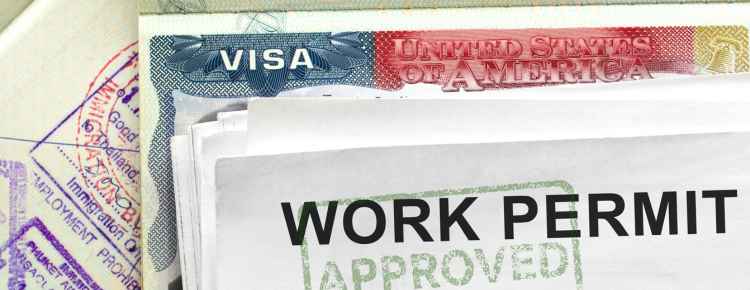
A visa is a travel document that allows individuals to enter a foreign country for a specific purpose, such as tourism, work, or study. Visas are typically issued by the country being visited and are usually affixed to a passport.

  • Visa are used to travel to a country that is not visa-free for your country’s residents, Visas are issued by the immigration department of the country.
  • Based on the information the department has about the visa applicant, This department determines who can enter and who cannot enter their country.
  • The immigration department determines the reason for your visit based on your visa application form.

You must apply for a visa before traveling abroad. When applying for a U.S. Visa, follow the steps mentioned below:

  • Fill out Form DS-160 (Can be done online)
  • Visit the corresponding embassy for a visa interview
  • Submit further supporting documents
U.S. Green Card

Green Cards:

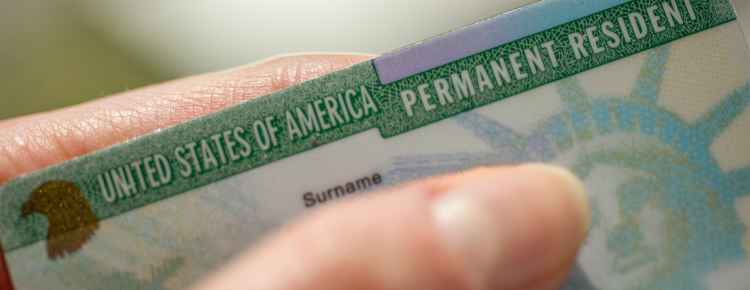
A green card is a travel document that allows individuals to live and work permanently in the United States. it is issued by the U.S. Citizenship and immigration services (USCIS) and is known as a Permanent Resident Card.

  • The USCIS issues a Green Card upon approval. You still need a passport since Green card holders aren’t citizens.
  • A Green Card makes it easier to travel back and forth from your birth country to the U.S.
  • If you are unsure about your eligibility for a Green card get legal advice, experts can help with document file completion and other important part of the process.
  • If eligible then complete the Form I-485 application (online) and provide supporting documents, after that is a scheduled interview.
  • Usually, it takes around 6 to 7 months to get a green card.

Arrival/Departure Records:

Arrival/Departure Records are used for non-citizens entering the United States Temporarily. They are issued by U.S Customs and Border Protection (CBP) and are usually affixed to a passport.

Certificate of Identity:

A certificate of identity is a travel document.

It is issued by the government or an international entity pursuant to international agreements

It is issued to enable individuals to clear border control measures.

There are three types of Certificates of Identity:

  • 1954 Convention travel documents
  • 1951 Convention travel documents
  • Non-convention documents

It is important to ensure that you have the correct documents to travel for your specific trip to avoid any issues during the immigration process.

How to Find Numbers on Your Different Travel Documents?

Here are the steps to find the numbers on your different travel documents:

Passport Number On A Passport

Where is the document number on a passport?

The Passport Travel Document Number: The passport number is a unique type of document number, and it is a 9-digit number that is unique to each passport. It serves as a travel identity document.

  • It is usually located on the most important page of any passport, the personal information or data page, which has your photo on it.
  • The travel document number on a passport is found in the upper right-hand corner of the page
  • It is a series of letters and numbers
  • The passport Document Number is a travel document number that picks up crucial information about the traveler.

Where to Find Your Travel Document Number on a Visa?

Visa’s travel document number is a unique identifier assigned to the travel document.

It is typically found on the visa itself,

Is used by immigration officials to verify the traveler’s identity and travel authorization.

It is used by an individual to enter foreign countries

  • The visa’s travel document number is also known as a visa number and is often printed in a different color from the rest of the document.
  • In the United States, it’s on the lower right corner and is usually a series of 7 or more numbers and sometimes a few letters.
  • U.S. visas have their document number in red color
  • You can find it in the bottom right-hand corner of the visa
  • It is stamped in your passport.
  • Visas issued in other countries may have their number printed on another position but it is usually quite easy to recognize.

Note: To avoid any issues during the immigration process. Ensure the travel document number on your visa matches your actual travel document

Where to Find Your Travel Document Number on a Green Card?

To find your travel document number on a green card, look for the Green card number, known as the receipt number or the permanent resident number.

  • The Green Card number is a 13-digit number that is printed on the back of the card.
  • It is the first line of a long string of 90 characters, and it generally begins with three letters followed by a series of 10 numbers. Each of these characters has significance in your case, and the Green card number refers to your specific immigration case.
  • The Green card number is different from your Alien Registration Number (A–Number) and USCIS number.
  • To be exact, the Green card number is the character for digits 16-28, followed by “>>”
  • The green card number is used to track and verify the authenticity of the Green Card and is required for many purposes, such as renewing or replacing the Green Card.
  • It is important to keep your Green Card number safe and secure, as it is a crucial piece of information for your immigration status.

Why are my passport and travel document number important?

Passport and travel document numbers are important for several reasons, including:

  • International Travel
  • Identification
  • Proof of Citizenship
  • Visa Application
  • Record of entries and departure
  • Access to consular Services

They serve as a form of identification, and proof of citizenship, and are necessary for international travel and visa application. They also provide a record of entries and departures and allow access to consular services. It is important to keep these numbers safe and secure, as they are crucial pieces of information for your immigration status and travel authorization

Difference Between Passport Number And Travel Document Number

Passport number and travel document number are both unique identifiers. but they are not the same thing.

Here are the main differences between passport numbers and travel document numbers:

Passport Number:

  • A passport number is a unique set of digits used to differentiate passports between holders
  • It is a 9-digit number that is unique to each passport
  • It is located on the second page of the passport, where you find personal data such as your name, sex, date of birth, place of birth, and photo.
  • It is used to identify the passport holder and is required for visa applications (filing) as well as for government records.

Travel Document Number:

  • A travel document number is a set of digits unique to each individual document
  • It is a unique identifier associated with travel documents like passports, visas, and Green Cards.
  • It is used to track and verify the authenticity of the travel document and is required not only for border controls but also for airline tickets
  • It is located on the official travel document you are holding, such as your passport, visa, Green Card, and other official international travel document.

While a passport number is a type of travel document number, there are other types of travel documents, such as visas and Green Cards, with unique numbers.

It is important to check which travel document number is required for a particular travel situation.

The passport number is used to identify the passport holder, while the travel document number is used to track and verify the authenticity of the travel document.

Your passport number and travel document number can be the same depending on where you are from and which travel document you must have when visiting a particular country.

How to Get a Passport?

It depends on the country’s passport you need. First check eligibility, then apply for the passport in the appropriate department of government in your birth country. In the USA it is the U.S. Department of State.

  • Complete required forms
  • Attach the required supporting documents
  • Submit application
  • Once approved, get your passport
U.S. Passport

U.S Passport:

A passport is a document issued by the United States Department of State allowing people to re-enter the nation.

It is recognized by almost every country worldwide and provides many benefits, including access to consular services, international travel, identification, visa exemption, complete details, and records of entries and departures

It is an important document that serves as a form of identification and allows you to travel internationally. Having a U.S. passport helps in getting visa exemption from many nations.

The passport contains complete details of the individual including ho his/her name, photograph, age, sex, nationality, date of birth, and other personal information.

In a foreign land, this document helps in establishing identity easily and conveniently.

  • You may find your passport number on the top right-hand corner of the identification page
  • A U.S passport has 6 to 9 characters (both letters and numbers)
  • Since 2007 all passports issued by the U.S. are electronic
  • The passport comes with a chip embedded on the back cover
  • The chip holds information like a personal image, a biometric identifier, a digital signature, and a unique chip ID number
  • Each Passport number ties directly to individuals and the number is a code kept in the government’s database

How do I know if my Passport is valid?

  • To verify if your passport is valid, you must check the expiration date on the passport.
  • Usually, the range for a valid passport is between 5 years to 10 years
  • The validity period depends upon your age and your country’s policies

Benefits of having a passport

The primary benefit is travel convenience, a legitimate passport can allow you to travel abroad anywhere in the world.

It’s a Valid Photo ID

The passport also serves as your valid photo ID, It proves your nationality, identity, address, age, etc. By having a passport you can get visa-free entry to certain countries that don’t require a visa for residents of certain countries.

How do you get a visa?

Go to the nearest embassy or consulate of the country you intend to visit found in your home country.

  • Apply for the type of visa you need.
  • The reason for your visit helps determine the type of visa you need
  • Tourists get tourist visas
  • People who go to work get their employment-related visas.
  • Complete required Forms
  • Supply supporting documents
  • Pay the Fees
  • Attend and pass the interview
  • Get you visa

What is the travel document number for USCIS?

USCIS is an agency of the United States Department of Homeland Security that administers the country’s naturalization and immigration system.

There is no specific travel document number for USCIS. However,

A travel document number for USCIS can be a U.S. passport number or the number on a valid U.S. visa.

Travel document number for I-539 applicant

If you are an I-539 applicant, the travel document number you need to provide if your Form I-94 Arrival-Departure Record Number.

You can find this number on the small white card you received from the U.S. Customs and Border Protection (CBP) at the border, or on the I-94 website.

If the date on your Form I-94 has passed, your visa status has expired, so you may no longer apply for an extension with Form I-539

Will my different travel documents have the same travel document number?

No, your different travel documents will not have the same travel document number. Each travel document has a specific number, and the structure and total digits of the number vary depending on the type of document. For example:

  • A Green card number starts with three letters
  • A U.S visa number has a total of eight numerical digits

How much does a green card cost?

The cost of a green card varies depending on the type of Green card and the applicant’s age. Here is a summary of the cost of a green card:

Family-Based Green Card: The government filing fee is:

  • $1,760 for applicants applying from within the United States
  • $1,200 For applicants living outside the United States

Employment-Based Green Card: The cost varies depending on the category and can vary from case to case. The basic costs are:

  • Processing fees between $325 and $345
  • USCIS Immigration fees $220
  • Biometrics Services Fee $85
  • The cost of a medical exam is $400 (Varies)

Investment-Based Green Card: The cost of an investment-based Green Card is at least $900,000 “entry fee”

Other Fees: There are other fees associated with obtaining a Green Card, such as translation Services fees, which vary depending on the provider

Travel Document Number FAQ

What is the relevance of getting a green card?

A green card is a document that provides lawful permanent residency in the United States. Obtaining a Green Card has many benefits, including:

  • Permanent Residency
  • Employment Opportunities
  • Education Benefits
  • Access to Government Benefits
  • Political Participation
  • Eligibility for U.S. Citizenship
  • Business Opportunities
  • Retirement
  • Access to health and life Insurance
  • Access to Mortgages

It is important to note there are responsibilities associated with having a Green Card, such as reporting worldwide income earned during the tax year on your U.S. Federal Tax Returns.

Is a passport number the same as a travel document number?

Yes, in some cases your Passport number is your travel document number. But

  • If you have a passport card and
  • A passport booklet

The two numbers will be different as each number is unique to the document. Other types of travel documents such as visas and refugee travel documents, have a unique number.

Check the travel document number required for your travel abroad.

U.S. Passport Card

It is an optional national identity card and a travel document issued by the U.S. federal government in the size of a credit card. Here are some key points about the U.S. passport card.

  • Real ID Compliant: It can be used as an alternative to a state-issued ID for domestic flights
  • Validity: Is valid for land and sea entry from Canada, Mexico, the Caribbean, and Bermuda. It is not valid for international travel by Air.
  • Size: The same size as a credit card, making it easy to carry in your wallet
  • Cost: The cost for first-time applicants is $65 for adults and $50 for children under age 16. The cost for renewal is $30 for adults
  • Acceptance: Is accepted for entry by land or sea into Canada, Mexico, and some countries and territories in the Caribbean. It cannot be used to travel by Air into these countries, or by other means to other countries
  • Proof of Citizenship and Identity: Can be used as primary evidence of U.S. citizenship, just like a passport booklet,
  • Can be used as valid proof of citizenship and proof of identity both inside and outside the U.S.
  • Universal Design: This is designed more universally than state ID cards and driver’s licenses.

Formatted to United Nationals ICAO machine-readable documents standards, used on IDs around the world.

U.S. Passport Book

The U.S. Passport Book is a travel document issued by the U.S. federal government allowing the bearer to travel internationally by Air, Sea, or Land. Here are some key points about the U.S. passport Book

  • Validity: Valid for 10 years for adults and 5 years for children
  • Cost: The cost for first-time applicants is $165 for adults and $135 for children under the age of 16. The cost for renewal is $130 for adults
  • Acceptance: Is accepted for international travel by Air, Land, or Sea
  • Proof of Citizenship and Identity: Can be used as primary evidence of U.S. citizenship, just like a passport card,

Can be used as valid proof of citizenship and proof of identity both inside and outside the U.S.

  • Universal Design: This is designed more universally than state ID cards and driver’s licenses.
  • Formatted to United Nationals ICAO machine-readable documents standards, used on IDs around the world.
  • Second Passport Book: You may be able to apply for a second U.S. passport book (if you have a valid U.S. passport and meet several additional requirements.

How Much Do Travel Documents Cost?

The cost of documents varies on the type of document and the applicant’s age. Here is a summary of the cost of some common travel documents:

U.S passport: The cost varies from $30 to $140, The cost varies depending on the type of passport and the applicant’s age. As of early 2023, the cost of a passport book for an adult (16 years and older) is $110, and for a child (15 years and younger) is $80. The cost of a passport card for an adult is $30, and for a child is $15. Expedited fee is available for an additional fee.

Reentry Document or Advance Parole: The cost of a reentry document or advance parole is $575, plus an $85 biometric (fingerprinting) fee for applicants between ages 14 and 79 years of age.

Refuge Travel Document: The cost of a refuge travel document is $135 for people 16 years and older, and $105 for people under 16 years old. In addition, there is an $85 biometric services fee for people between 14 and 79 years of age.

Fees are subject to change, it is important to check the most up-to-date information before applying.

Getting a Travel Document

To obtain a travel document, follow the specific application process for the type of document you need. Here are the general steps to get a travel document:

  • Determine the travel document you need
  • Gather the required documents
  • Complete the application
  • Pay the application fees
  • Submit the application
  • Wait for processing

Application process varies depending on the type of document you need, it is important to follow the specific instructions for the type of document you are applying for.


I-94 Form Arrival/Departure Record For U.S. Visitors

The I-94 arrival-departure record, officially known as the Form I-94 arrival-departure record, is a document (paper or electronic) issued by U.S. Customs and Border Protection (CBP) officers to foreign visitors upon their entry into the United States.

I-94 records the arrival dates and departure dates of travelers visiting the United States.

A Customs and Border Protection CBP officer attaches this Form I-94 to the passport of nonimmigrant visitors upon their entry to the United States.

The visitors must exit the United States prior to the departure date stamped on Form I 94. This date is the Admit Until Date on the electronic Form I-94.

The Form I-94 number is also known as the Departure Number or Admission Record Number.

The I-94 arrival departure record is crucial for various immigration relates matters it is a vital document for many immigration purposes.

NOTE: Foreign nationals visiting the U.S. through the visa waiver Program do not get Form I-94. They are issued Form I-94W (Nonimmigrant Visa Waiver Arrival/Departure Record)

What Is The I-94 Travel Record Form?

This document referred to as the I-94 arrival departure record, is utilized to monitor the entry and exit of non-U.S. citizens into and out of the United States.

It serves as proof of lawful entry and departure dates from the country.

I-94 is a very important document. once a foreign visitor enters U.S. dates on the visa does not define the duration how long the traveler is allowed to stay in the U.S. it is decided by I-94.

Foreign visitors to the United States no longer need to complete paper Customs and Border Protection Form I-94 to prove their legal-visitor status to

  • Employers
  • Schools/Universities
  • Government agencies

They can access their CBP arrival departure record information online

CBP gathers travelers arrival departure information automatically from their electronic travel records

Who Needs An I-94 Form

CBP's Form I-94

Form I 94 is issued by the Department of homeland Security (DHS) to aliens who are:

  • Admitted to the United States
  • Adjusting Status while in the United States
  • Extending their Stay

Everyone entering the United States needs an I-94 except:

  • American citizens
  • Returning resident aliens (SB-1 visa holders)
  • Non-U.S. citizens with immigrant visas
  • Most canadian citizens visiting or in transit

It is issued automatically to most non-U.S. citizens who are not permanent residents upon their entry arrival in the United States. exceptions include:

  • Individuals entering under the visa waiver program,
  • Those using border crossing cards,
  • Participants in the compact of free association,
  • Certain airline crew members, and
  • Those utilizing automatic visa revalidation when briefly visiting neighboring countries (Mexico, Canada, or the Caribbean)

What Does Form I 94 Look Like?

The I-94 arrival-departure record is critical in knowing the extent of an authorized stay in the U.S. and staying in status. The highlighted text contains the following fields as below and are commonly needed when applying for certain immigration benefits:

  • Admission Record Number: This is an 11-character alphanumeric number also known as departure number, I-94 number, and admission record number, It provides a unique number for each entry.
  • Most Recent Date of Entry: This date reflects the exact date you entered the U.S.
  • Class of Admission: This code represents your category of nonimmigrant status.
    • For example, for leisure it indicates B-2,
    • For students it indicates F-1
  • Admit Until Date: This indicates the day when your immigration status expires in the United States. Visitors must exit the United States on or before this date.
    • This date is D/S or Duration of Status for students and other exchange visitors

How Do I Get An I-94 Card?

Upon your arrival in the U.S., you need to show your passport and visa to a CBP agent, who then enters your information into an electronic tracking system and stamps your passport indicating your lawful entry into the U.S.

Electronic I-94 Record

The I-94 arrival departure record was previously issued in a paper document until 2013. Nowadays, most travelers arriving by air or sea receive electronic I-94 records, while those entering the U.S. by land might still be given a paper version.

As of April 30, 2013, most arrival and departure records are created electronically upon arrival.

Paper I-94 Record

  • Before May 2013 all foreign visitors to the U.S. were issued a paper I-94,
  • Electronic I-94 arrival departure records are only issued at air and sea ports of entry.
  • Paper form I 94 is still issued at the land border port of entry
  • CBP continues to issue paper Form-I 94 to certain classes of aliens such as refugees, certain asylees, and parolees

How To Apply For Or See Your Current Form I-94?

Visit  i94 CBP website

To apply or see your current form I 94 arrival departure record download the:

  • CBP One App on your tablet or cell phone
  • Visit the official Form I-94 CBP Website

By downloading or visiting the website:

  • You can request an I-94 if you are traveling by land
  • You can apply for an I-94 as well as pay the fees in advance, saving time at the land border port of entry
    • If traveling by air or sea you receive an I-94 at the port of entry during the admission process
  • You can see and print your most recent Form I 94 arrival departure records to keep a record of your legal visitor status to the U.S.
  • You can have a digital version of your I-94 on your phone using the CBP One App
  • You can read frequently asked questions (FAQ) about the I-94
  • You can find out the duration you are legally allowed to stay in the United States
  • You can get the history (for the last 10 years ) of your arrival and departure records (from the U.S.)

Note: The travel history tool is to assist you it is not an official record for legal purposes.

How Much Does The I-94 Form Cost?

There is no fee for Form I 94, The government issues the form at no cost. whether you arrive by land, air, or sea or whether you get a paper or electronic record the government provides you the form at no cost

On the other hand, if you are arriving at a land border port of entry, and you want to apply online for a provisional I-94 one week or less before your arrival, then it will cost you $6 for the provisional I-94.

This can streamline and speed up your arrival process and reduce the amount of time you have to spend waiting in line at the border.

What Can I Do If The CBP Site Doesn’t Find My Record?

If the CBP site doesn’t find your I-94 record telephone or visit a CBP deferred inspection office in person and explain your problem. share your flight information with CBP. some offices have resolved the problem over the phone others require an in-person visit.

I-94W For Travelers, Traveling Under The Visa Waiver Program

To apply for their I-94W in advance through the CBP One App or the Form I 94 web page, citizens of visa waiver program countries must have approved and current authorization through the Electronic System for Travel Authorization (ESTA)

Fixing An Incorrect Form I 94

Both Customs and Border Protection (CBP ) and U.S. Citizenship and immigration services (USCIS) may issue a Form I 94. If there is an incorrect record in your I-94 you’ll need to correct it.

Correct An I-94 Issued By CBP

If CBP issued you an incorrect I-94 having incorrect information like a misspelled name or incorrect entry dates

You need to visit the CBP deferred Inspection Office inside the airport and request a correction

Correct An I-94 Issued By U.S. Citizenship And Immigration Services

USCIS I-94

As part of granting foreign nationals an extension of stay or change of status if your Form I 94 was issued by USCIS

  • You need to file Form I-102 (Application for Replacement/Initial Nonimmigrant Arrival-Departure Document)
  • Pay filing fee
  • Supporting documents providing proof of correct information
  • A signed statement explaining specific incorrect information on the I-94 record
  • Evidence verifying the validity of the information submitted for correction
  • Submit the original incorrect I-94 with the I-102 application

USCIS will correct the I-94 incorrect record at no cost if the mistake was due to USCIS. You will have to make a request through an infopass appointment at your local USCIS office.

Schedule an appointment, Take your originals, and explain to them why you think there is a mistake on your I-94 card, I-94 electronic record, or Passport admission stamp.

However, you need to file Form-102 with a fee if you are unable to prove that the mistake was made by USCIS.

Replacing An I-94 Arrival Departure Record

If your I-94 Form is destroyed, lost, stolen, or mutilated you can replace it.

  • Replacing an electronic form I 94 is an easy and simple process
  • Replacing your paper records takes time and requires a filing fee

Replace An Electronic Travel Record

Replacing an electronic I-94 is easy and can be obtained by going to the CBP I-94 website. The process is as follows:

  • Go to the CBP I-94 website
  • Enter necessary information
  • Look up your I-94 Form
  • Print it when submitting it with the USCIS application

Replace A Paper Travel Record

A paper-based version of Form I 94 is labeled as Form I-94A

Replacing it involves:

  • Filing Form I-102 with USCIS along with
  • A $445 filing fee, and
  • Supporting documents

Frequently Asked Questions

Is Form I 94 A Visa?

No, I-94 is not a visa. though both documents are closely related, Form I-94 is different from a visa. in terms that it is a controlling document.

Visa does not define for how long you are allowed to stay in the U.S.

  • Visa is an entry document and must be valid when seeking admission into the U.S.
  • I-94 is a status document describing the foreign nationals visa or parole status and the length of permitted stay.

Is Form-94 Needed To Adjust Status To Permanent Resident Status?

Form I 94 arrival departure record is a critical piece of evidence that can be submitted with most adjustments of status packages. It mostly satisfies the requirement to prove both

  • A lawful status
  • A lawful entry

How to Become a US Citizen: A Step-by-Step Guide

This comprehensive guide on how to become a US citizen will walk you through the entire process, from understanding the naturalization process to fulfilling key requirements and navigating the application process. Becoming a United States citizen is a life-changing event that opens up new opportunities and responsibilities. Whether you’re seeking a sense of belonging, better job prospects, or the right to vote and run for office, understanding the steps to citizenship is essential. Let’s explore the exciting journey towards becoming a proud US citizen.

Key Takeaways

  • Understand the naturalization process and eligibility criteria for US citizenship.
  • Follow key requirements, such as lawful permanent residency, age, continuous residence & good moral character.
  • Be aware of the benefits & responsibilities associated with becoming a US citizen to ensure a successful transition.

Understanding the Naturalization Process

A US citizen holding a US passport and a US flag

The naturalization process is the means by which immigrants acquire US citizenship after fulfilling the requisite criteria. Obtaining citizenship is a significant milestone, as it grants individuals access to rights and privileges not available to green card holders.

This section covers the basics of the naturalization process, the distinction between naturalization and citizenship, and the prerequisites for becoming a US citizen.

What is naturalization?

Naturalization is the process by which immigrants satisfy particular requirements to become United States citizens, including becoming a naturalized citizen. The initial requirement for attaining US citizenship is being a legitimate permanent resident of the United States, also known as having a green card. In some cases, individuals may automatically derive US citizenship from their parents if they are US citizens or green card holders.

Comprehending the naturalization process is pivotal, as it allows individuals to fully appreciate the rights and responsibilities associated with US citizenship.

What is citizenship?

Citizenship refers to the recognition of an individual as a member of a specific nation, with associated rights and responsibilities. In the context of the United States, some rights reserved for citizens include the right to vote, the right to own property, and the obligation to obey the law and pay taxes. Gaining citizenship is a major milestone, as it grants individuals access to rights and privileges not available to green card holders.

Eligibility criteria for naturalization

To be eligible for naturalization, an individual must meet certain naturalization requirements. These include:

  • Being a lawful permanent resident (green card holder) for a minimum of five years
  • Being at least 18 years of age
  • Having continuous residence and physical presence in the United States

There are some exceptions to these requirements, such as those employed as a missionary, nun, brother, or sister, or members of the US Armed Forces.

Grasping these eligibility criteria is vital, as they establish an individual’s qualification for U.S. citizenship.

The Path to Citizenship: Key Requirements

A US citizen holding a US flag and a green card

Before starting the journey towards US citizenship, it’s important to acquaint oneself with the key prerequisites. These requirements include:

  • Lawful permanent residency
  • Age
  • Continuous residence
  • Good moral character

We’ll explore each of these requirements in detail in this section, highlighting their role in the successful culmination of the naturalization process.

Lawful permanent residency

Lawful permanent residency, or having a green card, is a crucial requirement for becoming a US citizen. Green card holders are authorized to reside permanently in the United States and enjoy certain rights and privileges. Before applying for citizenship, individuals must have held a green card for a specified period, usually five years, or three years if the green card was obtained through marriage to a US citizen. Fulfilling this prerequisite, also known as achieving permanent resident status, is a significant milestone on the roadmap to citizenship.

Age requirement

The minimum age for applying for US citizenship is generally 18 years old. This age requirement ensures that individuals seeking citizenship are mature and capable of understanding the responsibilities that come with being a US citizen. Fulfilling the age requirement is a fundamental aspect of the citizenship application process.

Continuous residence and physical presence

In addition to being a lawful permanent resident and meeting the age requirement, applicants must also fulfill the continuous residence and physical presence requirements for naturalization. This entails residing in the United States for at least five years after becoming a green card holder or three years if the green card was obtained through marriage to a US citizen. Additionally, applicants cannot be absent from the US for more than half of the required residency period. Fulfilling these criteria is key to demonstrating a commitment to life in the United States as a citizen.

Good moral character

Before applying for citizenship, individuals must demonstrate good moral character for a specific period, usually five years. Good moral character is an essential requirement for naturalization, as it reflects an individual’s commitment to the values and principles of the United States. Demonstrating good moral character involves having no criminal convictions or other violations of the law that would disqualify an applicant from becoming a US citizen.

Navigating the Application Process

A USCIS officer interviewing a US citizen for naturalization

Applying for US citizenship can be a complex and time-consuming process. To aid your successful journey, we offer a step-by-step guide to help you apply for citizenship, including filing Form N-400, attending a biometrics appointment, and taking the citizenship interview and test. By following these steps, you will be well-prepared to complete the naturalization process and become a proud US citizen.

Filing Form N-400

The first step in the citizenship application process is to apply for naturalization by submitting the naturalization application, known as Form N-400. This form is used to apply for US citizenship and provides the US Citizenship and Immigration Services (USCIS) with information about your background, residency, and eligibility for naturalization. Accurate completion and submission of this form is vital, as it lays the groundwork for your citizenship application.

Biometrics appointment

After submitting Form N-400, you will be scheduled for a biometrics appointment, where you will provide fingerprints, a photograph, and a signature for identification purposes. This appointment is a necessary part of the application process, as it allows USCIS to conduct background checks and verify your identity.

Completion of the biometrics appointment is a significant stage in the citizenship application process.

Citizenship interview and test

The final step in the citizenship application process is the citizenship interview and test. During the interview, a USCIS officer will ask you questions about your application and background to confirm your eligibility for citizenship. Additionally, you will be required to speak basic English, as you will take an English language test and a civics test, which assesses your knowledge of US history and government.

Successfully completing the citizenship interview and test is the last hurdle on your journey to become a U.S citizen.

Special Considerations for Military Service Members

A US soldier saluting the US flag

Foreign-born service members and their families encounter unique considerations when applying for US citizenship. This section explores the benefits and application process for those seeking citizenship through military service, as well as the specific requirements and resources available to assist in this unique path to citizenship.

Benefits of military service

Applying for citizenship through military service comes with several advantages, including expedited processing and waived fees. These benefits can make the citizenship application process smoother and more manageable for service members and their families, providing them with an opportunity to become US citizens and enjoy the rights and privileges that come with citizenship.

Application process for military personnel

The citizenship application process for foreign-born service members and their families is similar to that of other applicants but with some key differences. Military personnel and their families must submit Form N-400, attend a biometrics appointment, and take the citizenship interview and test. However, there are specific requirements and resources available to assist military personnel in navigating the citizenship application process, such as consulting with their commanding officer and the Legal Assistance Office at their local installation.

Utilizing these resources can aid military service members and their family members in successfully navigating the path to US citizenship.

Dual Citizenship and Renouncing Foreign Nationality

The notion of dual citizenship and the act of renouncing foreign nationality are key aspects for those on the path to US citizenship. This section offers an overview of dual citizenship and details the process of renouncing foreign nationality when seeking US citizenship. Understanding these concepts can help you make informed decisions about your citizenship status and ensure a smooth transition to life as a US citizen.

Understanding Dual Citizenship

A US citizen holding a US passport and a foreign passport

Dual citizenship, or holding citizenship in two countries simultaneously, is a unique status that can provide individuals with additional rights and privileges. The United States allows dual citizenship; however, US citizens must use their US passports when entering and exiting the country.

Before proceeding with naturalization, it’s important to research your home country’s policy on dual nationality. This ensures that you can retain your original citizenship while acquiring US citizenship.

Renouncing foreign nationality

For some individuals, renouncing their foreign nationality may be a necessary step in the process of becoming a US citizen. The process of renouncing foreign nationality varies by country and typically involves submitting a formal request to the foreign government, which may require a fee and/or additional documentation.

Becoming familiar with the specific requirements for renouncing foreign nationality in your home country, especially for those outside the United States, can assist in navigating this intricate process, leading to a successful transition to US citizenship, which includes taking the oath of allegiance.

Rights and Responsibilities of US Citizens

US citizenship brings with it a distinctive set of rights and responsibilities setting you apart from other residents. This section delves into the different rights and responsibilities inherent to US citizenship, including voting in federal elections, running for public office, and access to government benefits and programs. Understanding these rights and responsibilities can help you fully embrace your new status as a US citizen and contribute to the well-being of your community and country.

Voting and running for office

A US citizen voting in a federal election

One of the most significant rights afforded to US citizens is the right to vote in federal elections. This right is protected under the Constitution and has been expanded through various laws and amendments.

In addition to voting, US citizens are also eligible to run for public office, granting them the opportunity to represent their fellow citizens and shape the policies and direction of the nation. By exercising these rights, US citizens play a crucial role in the democratic process and help ensure a government that truly represents the people.

Access to government benefits and programs

As a U.S citizen, you enjoy increased access to government assistance programs and benefits compared to lawful permanent residents. These benefits and programs can provide invaluable support in times of need, offering assistance with:

  • Food
  • Housing
  • Medical expenses
  • Other essential living costs

Utilizing these resources can significantly enhance the quality of life for US citizens and positively impact their families and communities.

Summary

In conclusion, the journey to becoming a US citizen is a complex and rewarding process. By understanding the naturalization process, meeting the key requirements, and successfully navigating the application process, you can achieve your goal of becoming a proud US citizen. Whether you’re pursuing citizenship through military service or as a lawful permanent resident, embracing the rights and responsibilities that come with US citizenship will enable you to fully participate in the democratic process and contribute to the well-being of your community and country. Embrace the journey and take the first step towards a brighter future as a US citizen.

Frequently Asked Questions

What are the 4 ways to become a U.S. citizen?

There are four main ways to obtain U.S. citizenship: naturalization, marriage, parents, and military service. You can choose the best option for your situation from this list.

What are the five 5 requirements to become a U.S. citizen?

To become a U.S. citizen, an applicant must be at least 18 years old and a legal permanent resident with continuous residence in the U.S. for five years, along with good moral character, English proficiency and civics knowledge, as well as meeting any necessary military and civil service registration requirements.

Who is eligible for U.S. citizenship?

To be eligible for U.S. citizenship, you must meet certain requirements, such as being at least 18 years old, having continuous residence in the US for at least 5 years, being physically present in the US for at least half that time, and having good moral character. Additionally, you must be able to read, write, and speak basic English and have not taken any trips outside of the US for 6 months or longer during the 3- or 5-year wait period.

How long should it take to become a U.S. citizen?

On average, it takes 18 to 24 months to become a U.S. citizen after filing Form N-400 and meeting eligibility requirements such as having a green card for at least 5 years and being of good moral standing. The process involves taking several steps and ends with the Oath of Allegiance.

What is the difference between naturalization and citizenship?

Naturalization is the process through which immigrants become citizens, while citizenship is the status of being recognized as a member of a country with rights and responsibilities.

USCIS Meaning – United States Citizenship and Immigration Services

Simple USCIS meaning is, USCIS stands for United States Citizenship and Immigration Services. USCIS is the government agency of the United States Government that oversees lawful immigration to the United States, with around 18,000 government employees and contractors working in more than 200 offices around the world.

The Homeland Security Act of 2002 dismantled the Immigration and Naturalization Service (INS) into three components within the Department of Homeland Security(DHS)

  • United States Citizenship and Immigration Services (USCIS)
  • Immigration and Customs Enforcement (ICE)
  • Customs and Border Protection (CBP)

The Homeland Security Act created USCIS to enhance the security and efficiency of national immigration services.

To handle immigration enforcement and border security, the law also formed

  • Immigration and Customs Enforcement (ICE) and
  • Customs and Border Protection (CBP)

Enforcement of immigration laws remained under Customs and Border Protection (CBP) & Immigration and Customs Enforcement (ICE)

USCIS assumed responsibility on March 1, 2003 for the immigration service functions of the federal government

USCIS Form I-9

Dated 25 July 2023 U.S. Citizenship and immigration services (USCIS) announced a new version of form I-9, Employment Eligibility Verification. Employers need to use this Form I-9 to verify the identity and employment authorization of their employees.

What is USCIS Full Form?

USCIS Full Form is: United States Citizenship and immigration services (USCIS)

What is the USCIS?

USCIS

USCIS or United States Citizenship and immigration services is a federal agency. It was formed to enhance security and improve the efficiency of national immigration services by exclusively focusing on the administration of benefit applications.

  • USCIS primary role is to administer the country’s immigration policy and laws (within the boundaries of the U.S.)
  • USCIS operates under the Department of Homeland Security (DHS)
  • USCIS was established in 2003 following the enactment of the Homeland Security Act 2002
  • USCIS facilitates entry into the U.S. of persons legally admissible as immigrants
  • Unlike most federal agencies, USCIS is funded almost entirely by user fees, mostly via the Immigration Examination Fee Account (IEFA)

Mission Statement of USCIS

As per the official website of the United States government, the Mission statement is

“USCIS upholds America’s promise as a nation of welcome and possibility with fairness, integrity, and respect for all we serve”

Key Functions of USCIS

USCIS performs a wide array of functions around lawful immigration to the U.S. Some of the services they provide include citizenship immigration of family members working in the U.S., Humanitarian programs, and adoptions

USCIS evaluates a person’s eligibility for citizenship, Naturalization, immigration based on familial status, permanent residency status, visa extension, and humanitarian aid.

USCIS also plays a major role in evaluating eligibility for asylum and work visas that involves other agencies and immigration courts

USCIS manages the legal non-citizen adoptions process of non-citizens children adopted by legal citizens of the U.S.

Some of these functions include:

Processing Applications for Visas

Amongst the various functions performed by USCIS, one of its key roles is processing various types of visas both temporary or permanent visas. for example visas including

  • H-1B: Work visas
    • F-1: Student visas
    • J-1: Student Visa

Family-based visas including

  • Marriage-based green card
  • Employment-based green card
  • And more visas

USCIS focuses on two key points on the immigrant’s path to civic integration:

  • When they first become permanent residents
  • When they are ready to begin the formal Naturalization process

Processing Applications for Permanent Residency

USCIS processes applications related to permanent residency through various pathways including:

  • Family Sponsorship
  • Employment related petitions

What does Permanent Residency mean?

Permanent residency allows individuals to remain in the USA indefinitely

Processing Applications for Naturalization

USCIS processes applications related to Naturalization

What does Naturalization Mean?

Naturalization is a process by which foreign nationals becomes U.S. citizens after meeting certain requirements including:

  • Passing an English proficiency test
  • Demonstrating knowledge about U.S. history and U.S. government

Individuals who wish to become U.S. citizens through naturalization submit their application to USCIS. If approved USCIS schedule the applicant for a ceremony to take the Oath of allegiance.

Verifying Work Eligibility

Manages the system where employers can check if the employees are legally authorized to work in the U.S.

Humanitarian Programs

Administers humanitarian programs protecting victims of civil unrest, war, Famine, natural disaster, and those at risk of persecution in their home country. The most common means to accomplish this by government-authorized Temporary Protected Status (TPS).

Adoptions

Involves in the international adoption process for immigrant adoptees

Immigration of family Members

Administration of the process by which U.S. citizens and permanent residents can sponsor the immigration of family members

Adjudicating Asylum Claims

USCIS adjudicates asylum claims based on credible fear that an individual may face persecution due to:

  • Due to their Race
  • Due to their Religion
  • Due to their Nationality
  • Due to their membership in a particular social group

On an average day, they adjudicate more than:

  • 26,000 requests for various immigration benefits
  • 200 Refugee applications around the world
  • Grant asylum to 45 individuals already in the U.S.
  • Screen 146 people for protection based on a credible fear of persecution if they return to their home country
  • Answer 50,000 phone calls to their toll-free customer service line.
  • Serves 2,200 customers at information appointments in 86 domestic field offices.
  • Receives 335,000 visitor sessions on USCIS.gov
  • Their Most visited pages case status online page and the forms page
  • Fingerprint and photograph 13,000 people at 137 Application Support Centers.
  • Ensures the Employment eligibility of more than 80,000 new hires in the U.S.
  • Welcome nearly 2,000 new citizens at naturalization ceremonies

Frequently Asked Questions

What does USCIS stand for?

USCIS stands for U.S. Citizenship and Immigration Services

What is USCIS Full Form?

USCIS Full Form is United States Citizenship and Immigration Services

What is a USCIS number?

USCIS number is a unique number assigned to non-citizens by the Department of Homeland Security. It serves as an identification number and is listed on Permanent Resident Cards (Form I-551) that are issued after 10 May 2010

Is USCIS a federal agency

Yes USCIS is a federal agency that controls lawful permanent immigration to the U.S.

How to book an appointment at USCIS in India?

To book an appointment to visit USCIS New Delhi you can email USCIS at Cis.ndi@uscis.dhs.gov. Remember walk-ins are not allowed by USCIS New Delhi.

Less Stress. More Visa Success. Since 2009. Apply With Confidence.

Get started